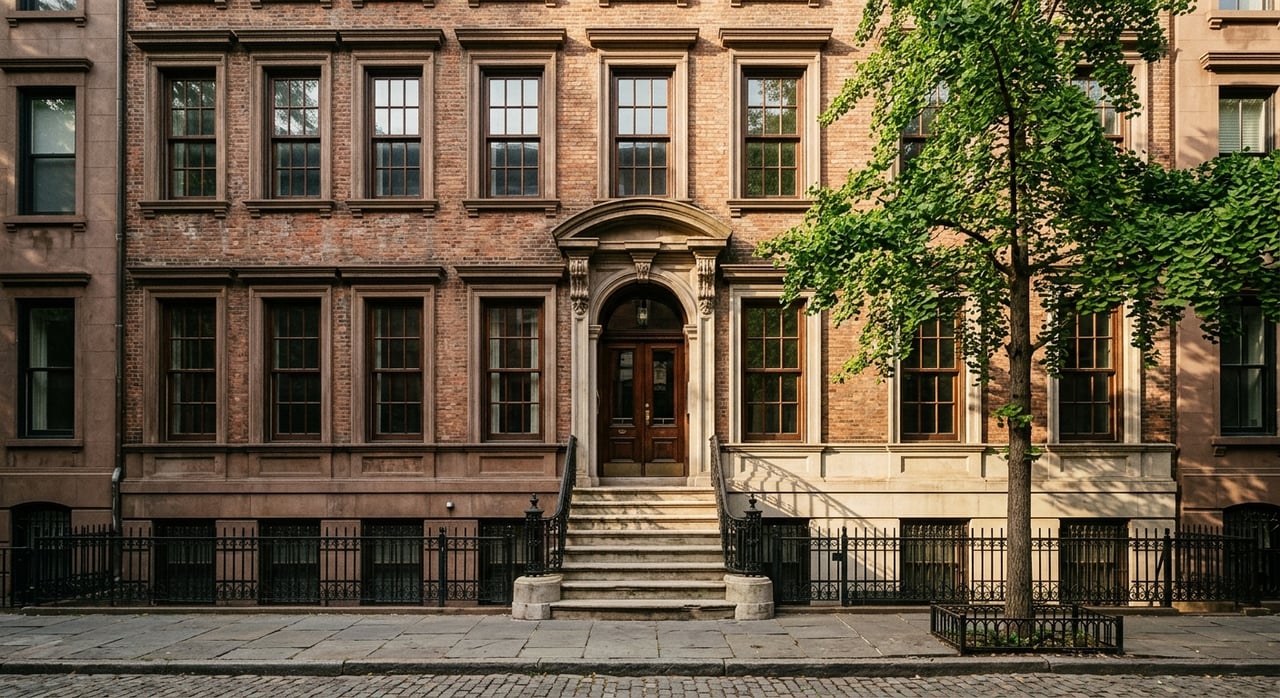
If you have ever wondered why two Upper West Side listings just a few streets apart can feel so different, the answer is simple: this neighborhood changes block by block. What looks like one famous Manhattan address is really a series of distinct pockets, each with its own rhythm, housing mix, park access, and street life. If you are thinking about buying, relocating, or simply narrowing your search, this guide will help you understand how the Upper West Side shifts from the 60s to 110th Street. Let’s dive in.
Why the Upper West Side Feels Different by Block
The Upper West Side generally runs from 59th to 110th Street between Central Park and the Hudson River, within Manhattan Community Board 7. In 2023, the neighborhood had an estimated 224,282 residents, 130,224 housing units, a median household income of $155,710, a median gross rent of $3,000, and a 36.0% homeownership rate.
Those numbers help explain why this area attracts many kinds of buyers and renters. The neighborhood is both family-present and age-diverse, with 21.4% of households having children and 20.2% of residents age 65+. It is also one of the city’s more expensive rental markets, which makes block-level fit even more important when you are deciding where to live.
Upper West Side at a Glance
A simple way to think about the neighborhood is this: the 60s feel more institution-heavy and city-facing, the 70s and 80s feel more classic and prewar, and the 90s through 110th Street, especially west of Broadway, feel quieter and more river-oriented. That pattern comes from how transit, parks, retail corridors, and historic housing stock come together in each section.
Just as important, the Upper West Side is not built around one central restaurant or shopping district. Commercial activity is concentrated mainly along Broadway, Amsterdam, and Columbus, while many side streets remain almost entirely residential. As a result, one block can feel lively and active, while the next feels calm and tucked away.
The West 60s and Lincoln Center
A More Civic, Connected Feel
If you start at the southern end of the neighborhood, you get a very different Upper West Side experience. Around Lincoln Center and the West 60s, the area feels shaped by major institutions, broad public spaces, and heavy transit access rather than by a quiet residential pattern.
Lincoln Center itself spans 16.3 acres between West 62nd and 65th Streets from Columbus to Amsterdam and is home to 11 performing arts and arts education nonprofits. That large cultural footprint helps define the area’s daily rhythm, with a mix of residents, commuters, visitors, and performancegoers moving through the neighborhood.
What Housing Feels Like Here
This pocket tends to read as a larger-building apartment-house environment. You are more likely to experience a dense, urban setting shaped by cultural destinations, subway access, and busy avenues than a low-rise townhouse setting.
Transit is a major draw here. Nearby access includes 66th Street on the 1 train and 59th Street-Columbus Circle on the A, B, C, D, and 1 trains, which makes this stretch especially convenient if your day depends on quick connections across the city.
The 70s: The Classic Upper West Side Image
Historic Character and Strong Access
For many buyers, the 70s are what come to mind when they picture the Upper West Side. This is where the neighborhood’s historic identity feels especially visible, with a mix of prewar elevator co-ops, apartment houses, and occasional townhouse blocks tied to the area’s turn-of-the-century development.
Historic district records describe the Upper West Side as one of the city’s major apartment-house districts, with architecture including Beaux-Arts, Italian Renaissance, neo-Gothic, and other early residential styles. In practical terms, that means many blocks in the 70s offer the kind of classic New York building stock buyers actively seek out.
Why the 70s Work So Well
This part of the neighborhood combines architecture, parks, and transit in a way that is hard to ignore. The 72nd Street station serves the 1, 2, and 3 trains, and the 81st Street-Museum of Natural History station adds C train access nearby.
Park access is also a major plus. The Great Lawn in Central Park stretches from 79th to 85th Streets, giving this section immediate access to one of the park’s best-known open spaces. If you want an address that feels central to both everyday routines and classic Upper West Side architecture, this band often stands out.
The 80s: Quiet but Still Central
A Residential Middle Ground
The 80s often feel a bit quieter than the busier blocks farther south, but they remain firmly within the Upper West Side’s landmark-rich fabric. This stretch is known more for classic elevator co-ops, prewar apartment houses, and townhouse blocks than for towers or highly commercial streets.
For many buyers, that creates an appealing middle ground. You stay in the heart of the neighborhood while gaining a more residential feel than you might find near Lincoln Center or Columbus Circle.
Park Access Is a Big Advantage
The 80s also offer especially strong access to Central Park. The Great Lawn sits between 79th and 85th Streets, and farther north the park transitions toward the North Meadow and North Woods.
That means this section can work well if you want park routines to be part of daily life. Whether you value open lawns, walking paths, or easy eastward access to large green space, the 80s place you close to some of Central Park’s most used areas.
The 90s to 110th Street
More Riverside and West End Character
As you move north, especially west of Broadway, the neighborhood takes on a more spacious and residential feel. Along Riverside Drive and West End Avenue, historic district records point to large apartment buildings dating mainly from the mid-1890s through the early 1930s, with row houses, mansions, and other residential buildings on side streets.
This stretch still has plenty of apartment-heavy housing, but it often feels less retail-saturated than the lower blocks. If your goal is to find a quieter setting without leaving the Upper West Side, this area may feel like the calmest end of the spectrum.
River Access and Park Life
This is also where the river-facing identity becomes strongest. Riverside Park runs along the west side and extends from West 59th Street to West 181st Street, with Upper West Side-facing amenities that include spaces like Hippo Playground.
That west-side park access changes how the neighborhood lives day to day. Instead of orienting toward Central Park, many blocks here lean toward Riverside Park, which gives this section a distinct rhythm and sense of space.
East of Broadway vs. West of Broadway
One of the most useful ways to narrow your search is to understand the Broadway divide. East of Broadway, and especially near Central Park West, the neighborhood’s historic fabric includes storefronts, row houses, tenements, and apartment towers in a wide range of late-19th- and early-20th-century styles.
West of Broadway, especially along Riverside Drive and West End Avenue, the dominant image becomes larger apartment buildings with smaller clusters of row houses and mansions on side streets. In everyday terms, that means your search will often bring up many co-ops and elevator apartments across the neighborhood, while townhouses and smaller rowhouse-style properties are less common.
What Daily Life Looks Like
Retail and Errands
Daily errands on the Upper West Side tend to be corridor-based. Broadway, Amsterdam, and Columbus carry most of the neighborhood’s commercial activity, while side streets often have no commercial square footage at all.
That pattern shapes how each block feels. Broadway generally has larger commercial spaces, while Amsterdam and Columbus often feel more neighborhood-scaled with many small storefronts. Common uses include restaurants, pharmacies, laundromats, clothing stores, and hardware stores.
Parks on Both Sides
One of the Upper West Side’s biggest lifestyle advantages is that it functions as a park-to-park neighborhood. On the east side, you have direct access to Central Park features like the Great Lawn, North Meadow, and North Woods.
On the west side, Riverside Park adds another major green corridor. This gives you two very different park experiences depending on where you land, and it is one of the clearest reasons the neighborhood feels so varied from block to block.
Transit Across the Neighborhood
Transit is strong throughout the Upper West Side. Key stations include 59th Street-Columbus Circle, 66th Street-Lincoln Center, 72nd Street, 79th Street, 86th Street, 96th Street, 103rd Street, and 110th Street, with service on the 1, 2, 3, A, C, and D lines depending on location.
Bus options near Lincoln Center include the M5, M7, M10, M11, and M104. For buyers who want flexibility in commute patterns, this depth of subway and bus access is a major part of the neighborhood’s appeal.
What Buyers Should Keep in Mind
The Upper West Side rewards a more precise search. Instead of asking whether you want to live on the Upper West Side in general, it helps to ask what version of the Upper West Side fits your routine.
You may prefer the 60s if you want a culture-first setting with major transit nearby. You may lean toward the 70s or 80s if you want classic prewar character and strong Central Park access. Or you may prefer the 90s through 110th Street, especially west of Broadway, if quieter blocks and a stronger Riverside feel matter most.
The housing stock is also more layered than many buyers expect. While the neighborhood is known for luxury and classic prewar homes, the broader housing profile includes both market-rate and income-restricted additions over time, along with subsidized properties and public housing units. That makes the Upper West Side more varied in tenure and income mix than its reputation sometimes suggests.
If you are weighing one pocket against another, the right guidance can make a big difference. A nuanced neighborhood like this calls for more than a quick map search. It helps to have an advisor who can translate block-level character into a smart, confident buying strategy. If you are exploring the Upper West Side or planning a move within New York City, Carlos Beltran can help you evaluate the market with clarity and discretion.
FAQs
What area counts as the Upper West Side?
- The Upper West Side generally runs from 59th to 110th Street between Central Park and the Hudson River within Manhattan Community Board 7.
What are the main differences block by block on the Upper West Side?
- The 60s feel more institution-heavy and transit-oriented, the 70s and 80s feel more classic and prewar, and the 90s through 110th Street, especially west of Broadway, feel quieter and more river-oriented.
What housing types are common on the Upper West Side?
- Buyers will commonly find co-ops, elevator apartments, and large prewar apartment houses, with townhouses and rowhouse-style properties appearing less often.
What streets have the most shops and restaurants on the Upper West Side?
- Most commercial activity is concentrated along Broadway, Amsterdam, and Columbus, while many side streets remain primarily residential.
Which parks serve the Upper West Side?
- The neighborhood is served by both Central Park on the east side and Riverside Park on the west side, giving many blocks strong access to major green space.
How is transit on the Upper West Side?
- Transit is strong throughout the neighborhood, with access to the 1, 2, 3, A, C, and D trains at multiple stations from the 59th Street area up to 110th Street.