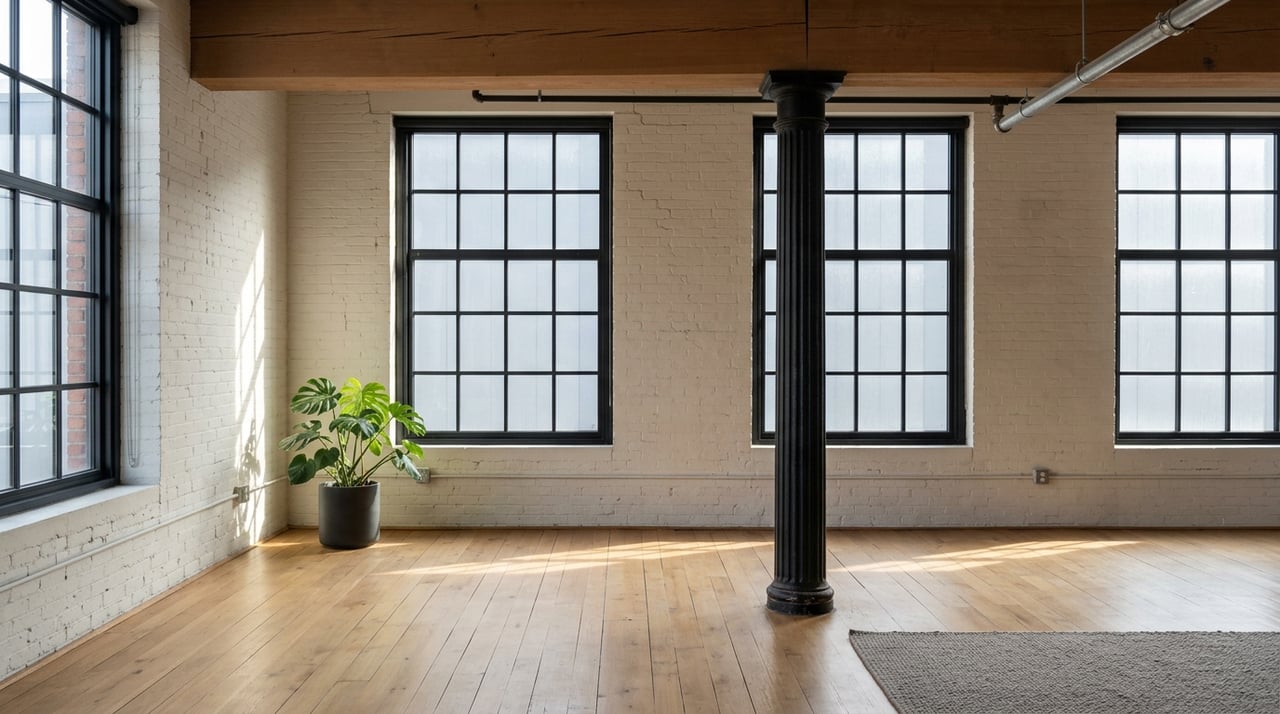
Thinking about buying a loft in SoHo? The charm is easy to see, but the real story is often hidden in the building records, ownership documents, and conversion history. If you want the character of a classic downtown loft without unpleasant surprises, you need to look past the finishes and verify how the unit is legally used, how the building is maintained, and what changes may be limited later. Let’s dive in.
Why SoHo lofts are unique
SoHo lofts are not cookie-cutter apartments. Much of the neighborhood’s core building stock comes from cast-iron and masonry store-and-loft buildings erected after the Civil War for wholesale and manufacturing use, and the SoHo-Cast Iron Historic District reflects that industrial past.
That history is part of the appeal, but it also explains why layouts vary so much. Original industrial shells, later residential conversions, and years of interior changes mean two lofts in the same building can feel very different in light, flow, privacy, and room depth.
Start with legal use
When you buy a loft in SoHo, legal status should come first. The right question is not just whether a space looks residential, but whether it is lawful residential use under current city rules.
For some lofts, that answer is straightforward. For others, the unit may still be tied to older occupancy categories, including Joint Living-Work Quarters for Artists, often called JLWQA, or an interim multiple dwelling status governed through the Loft Board process.
What JLWQA means in SoHo
In December 2021, the City Council approved the SoHo/NoHo Neighborhood Plan. The Department of Buildings says this created the Special SoHo-NoHo Mixed Use District and also created a voluntary path to convert existing conforming JLWQA use to unrestricted residential use.
That matters because not every loft automatically became unrestricted residential space. DOB also says conversions to JLWQA use are not permitted after December 15, 2021, while existing JLWQA occupancy rules remain in place unless the unit is converted.
What to confirm before you sign
Ask for the certificate of occupancy and confirm the unit’s current lawful use. If a loft still carries JLWQA status, you should confirm whether you qualify for that use or whether conversion to residential use is required.
If conversion is needed, ask for the exact steps, timing, and cost based on current DOB guidance. The city’s guidance says the process may include CPC chairperson certification, any necessary DOB work, a certificate of occupancy, and a one-time SoHo-NoHo Arts Fund contribution of $100 per square foot of converted floor area.
Where the Loft Board may matter
The NYC Loft Board regulates the legal conversion of certain lofts from commercial or manufacturing use to residential use. Under Article 7-C of the Multiple Dwelling Law, some buildings fall into the interim multiple dwelling category and must be legalized to residential code standards.
If a building is under Loft Board jurisdiction, you should verify whether it appears on the current building list and whether the owner has completed annual registration and legalization obligations. This is a key part of understanding both current occupancy and future risk.
Know the ownership structure
SoHo lofts can be owned as co-ops or condos, and that difference affects your rights and responsibilities. In a co-op, you buy shares in a corporation tied to a specific apartment and receive a proprietary lease, while paying maintenance charges.
In a condo, you own the unit itself plus an undivided interest in the common elements. The New York Attorney General regulates offering plans for both co-ops and condos and recommends reading the full plan and consulting an attorney before signing.
Why co-op versus condo matters
This is more than a technical distinction. Ownership form can shape board approval requirements, monthly charges, renovation rules, and future resale flexibility.
Before moving forward, ask how the building handles approvals, what restrictions apply, and whether there are any resale or alteration limits tied to the ownership structure. In a loft purchase, these details can affect your day-to-day use just as much as the floor plan.
Inspect the loft beyond the aesthetics
A SoHo loft may win you over with high ceilings, oversized windows, and historic details. Still, the Attorney General advises buyers to examine the facade, roof, flooring, appliances, sub-soil conditions, elevators, HVAC, windows, electrical wiring, and plumbing.
In converted buildings, offering plans must disclose defects visible to the sponsor’s engineer or known to management, even if every defect has not been fixed before sale. That is why the paper trail matters as much as the walk-through.
Building systems can drive future costs
In older loft buildings, some of the most expensive recurring issues involve facade defects, pointing, roof repairs, elevator repairs, plumbing upgrades, electrical-system upgrades, and boiler replacements. These are not cosmetic items, and they can lead to major capital costs.
Reviewing board minutes and financial statements can help you spot these issues before you buy. They often reveal building-wide repair projects, recurring maintenance concerns, and signs that a future assessment may be coming.
Test light and sound in person
In SoHo, light and sound are highly unit-specific. Window placement, room depth, light wells, and later interior subdivisions can change the feel of a loft dramatically, even when the square footage looks impressive on paper.
Visit at different times of day if you can. Pay attention to daylight, privacy, street noise, neighbor noise, elevator noise, and mechanical noise, since windows and HVAC are part of the physical-condition checklist and can affect comfort more than buyers expect.
Understand landmark rules before planning changes
Many buyers assume they can purchase a SoHo loft and renovate freely later. In reality, landmark status can place real limits on exterior work.
The Landmarks Preservation Commission says it must approve in advance most alterations, reconstructions, demolitions, or new construction affecting designated buildings, including buildings in historic districts. Ordinary interior work is generally not reviewed unless it affects the exterior or the interior has been separately designated.
What this means for future renovations
If you are dreaming about changing windows, modifying a storefront element, or making exterior-facing updates, do not treat that as a simple post-closing project. You should confirm early whether the work would require LPC review before it begins.
LPC notes that ordinary exterior repairs and maintenance, such as replacing broken window glass, usually do not require a permit. Even so, buyers should separate routine maintenance from true alterations, because the approval path can be very different.
The three checks that matter most
The appeal of a SoHo loft often starts with the shell and the history. The purchase decision, however, should come down to three verifications: legal use, physical condition, and alteration constraints.
If those three areas check out, you can evaluate the loft with much more confidence. If one of them is unclear, the loft may still be worth pursuing, but only after you understand the time, cost, and limitations involved.
A practical due diligence checklist
Before you move ahead with a SoHo loft purchase, focus on these questions:
- What does the certificate of occupancy say about the unit’s lawful use?
- Is the loft unrestricted residential, JLWQA, or part of an interim multiple dwelling process?
- If the unit is JLWQA, do you qualify for that use, or would conversion be required?
- If conversion is needed, what DOB steps, timing, and costs apply, including any SoHo-NoHo Arts Fund contribution?
- Is the building on the Loft Board’s current list, and are registration and legalization obligations up to date?
- Is the building a co-op or condo, and what approval rules, fees, or restrictions come with that structure?
- What do the offering plan, engineer’s report, board minutes, and financial statements say about facade, roof, windows, elevators, plumbing, HVAC, and other major systems?
- If the building is landmarked, what exterior changes would require LPC review?
A loft can be an exceptional purchase in SoHo, but only when the romance of the space is matched by clear facts. If you want a polished, risk-aware approach to evaluating a complex property in New York City, Carlos Beltran can help you move forward with clarity and confidence.
FAQs
What makes buying a SoHo loft different from buying a typical condo?
- SoHo lofts often involve older industrial buildings, highly variable layouts, possible landmark restrictions, and legal-use questions such as JLWQA or Loft Board status.
What should you verify about legal use before buying a SoHo loft?
- You should confirm the certificate of occupancy, determine whether the unit is lawful residential use, JLWQA, or IMD, and understand whether any conversion steps are required.
What is JLWQA in a SoHo loft purchase?
- JLWQA stands for Joint Living-Work Quarters for Artists, and some SoHo lofts still carry that occupancy status even though there is now a voluntary path for certain units to convert to unrestricted residential use.
What does the NYC Loft Board do for loft buildings?
- The Loft Board regulates the legal conversion of certain lofts from commercial or manufacturing use to residential use, tracks legalization progress, and enforces registration and maintenance obligations.
What building issues should you review when buying a converted loft in SoHo?
- You should review records and inspect for facade issues, roof condition, elevators, plumbing, electrical systems, HVAC, windows, flooring, and other recurring capital items that can affect future costs.
Do landmark rules affect renovations in SoHo loft buildings?
- Yes. In designated buildings and historic districts, many exterior alterations require Landmarks Preservation Commission approval before work begins, even though ordinary interior work is generally not reviewed unless it affects the exterior or a designated interior.