Looking at Chelsea and wondering if it is all crowds, selfies, and High Line buzz? That is a common first impression, but it misses what daily life here actually feels like. If you are considering a move, a pied-à-terre, or a long-term investment in Manhattan, it helps to understand Chelsea at street level. Let’s take a closer look at what living here is really like.
Chelsea Is More Than the High Line
The High Line is one of Chelsea’s best-known landmarks, but it is only one part of the neighborhood. It is a 1.45-mile elevated public park with access points around 14th, 16th, and 23rd Streets, and it plays a major role in how many people experience the area. Still, Chelsea’s identity goes well beyond that single destination.
At a broader level, Chelsea is generally understood as stretching from West 14th to West 34th Streets, between Sixth Avenue and the Hudson River. Within that compact footprint, you get a layered neighborhood made up of historic residential blocks, gallery-heavy industrial conversions, busy avenues, and a strong waterfront network. That mix is what gives Chelsea its staying power.
Chelsea Feels Different Block by Block
One of the most important things to know about Chelsea is that it is not uniform. The neighborhood changes as you move from side streets to avenues, and again as you head west toward the High Line and the waterfront. That can matter a lot when you are deciding where you want to live.
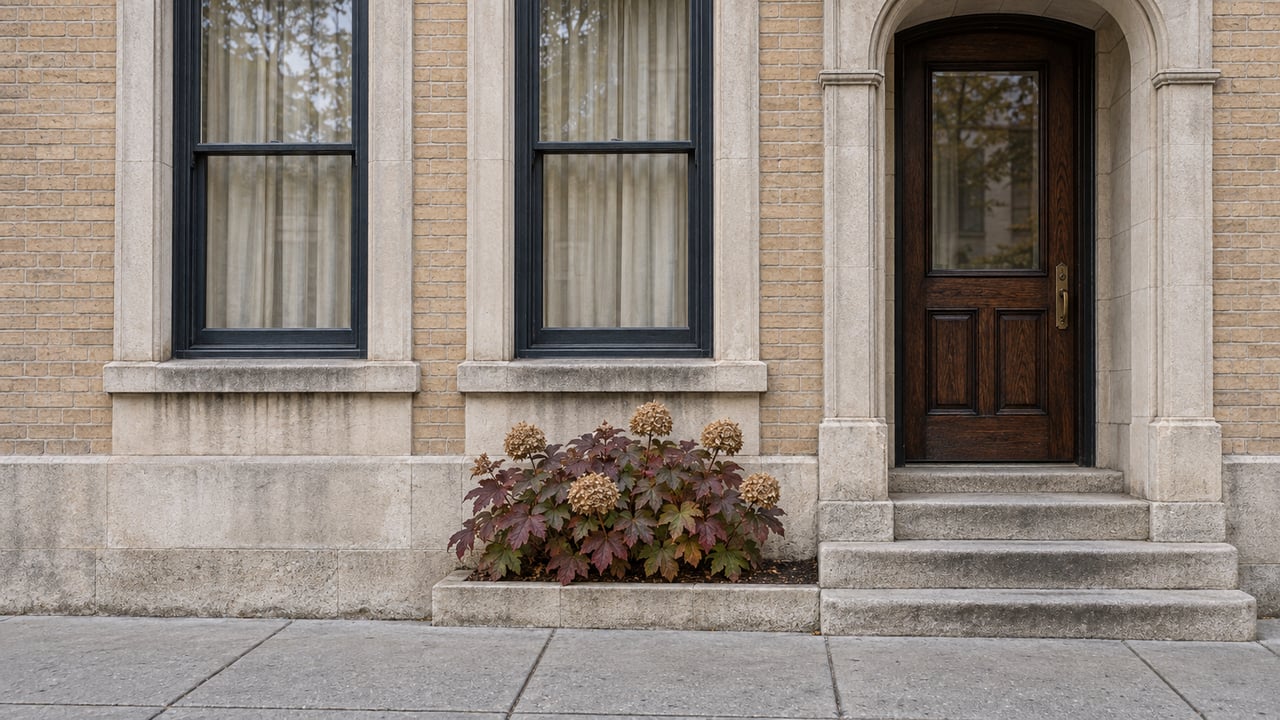
The historic district has long been described as a fine residential area with commerce along the avenues, a park-like seminary block, handsome rows of houses, and deep front gardens. In practical terms, that often means the mid-blocks feel more residential, while the avenues carry more activity. If you want a calmer day-to-day setting, that contrast is worth paying attention to.
Side Streets Offer a Softer Pace
On many side streets, Chelsea can feel more settled than people expect. The older residential core brings a sense of rhythm and scale that stands apart from the busier edges of the neighborhood. You may still be in the middle of Manhattan, but the experience can feel more grounded and local.
That is part of Chelsea’s appeal for buyers who want city energy without stepping into it every second of the day. You can be close to major destinations while still having a more residential feel when you come home. In a neighborhood this central, that balance is not easy to find.
Avenues Bring More Energy
Along the avenues and in the west-side corridors, the mood shifts. These stretches tend to feel busier, more commercial, and more visitor-facing. That is especially true near the High Line and the Chelsea Market area, where foot traffic is naturally heavier.
For some buyers, that energy is a plus. It can make everyday life feel connected, convenient, and active. For others, it is a reminder that choosing the right block in Chelsea matters just as much as choosing the neighborhood itself.
The Arts Scene Is Part of Daily Life
Chelsea’s creative identity is not just branding. The neighborhood has been described as New York City’s arts district for more than 130 years, and today it still supports a large gallery presence. Current neighborhood coverage points to hundreds of galleries, with destinations like Dia Chelsea and David Zwirner reinforcing that art remains part of everyday life here.
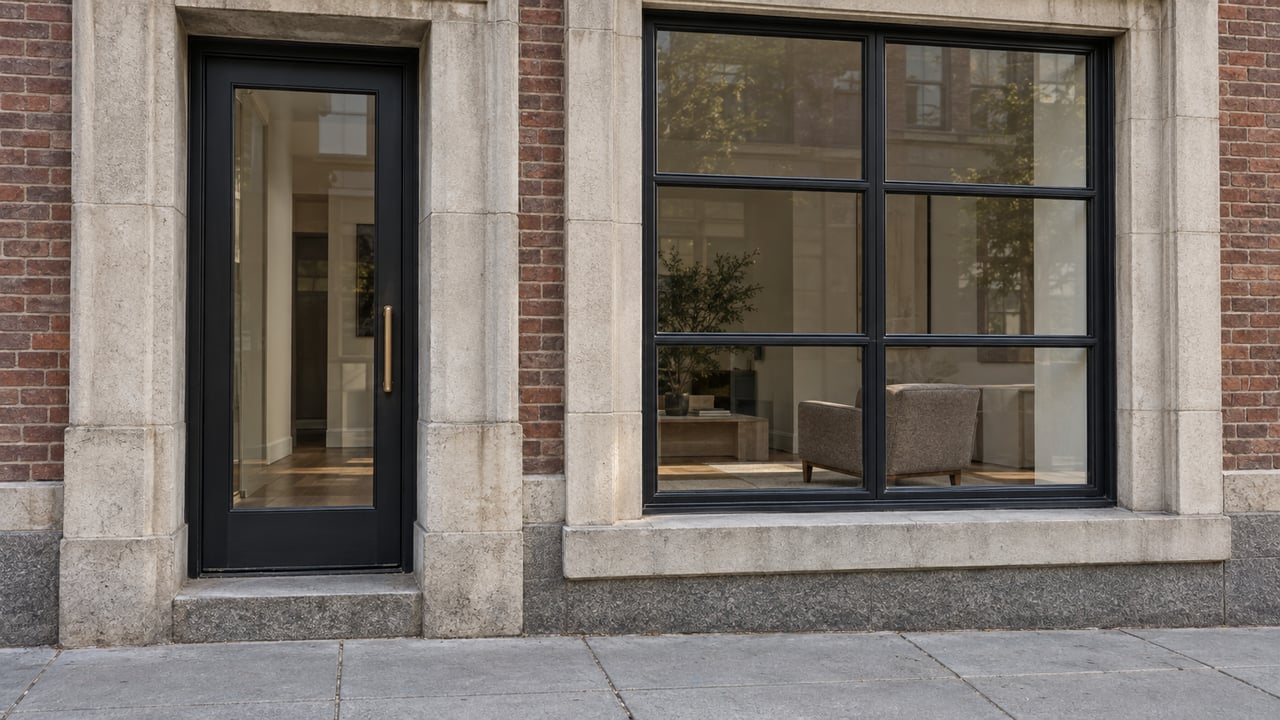
West Chelsea’s gallery concentration grew out of the neighborhood’s industrial building stock. Former garages, factories, and warehouses offered large windows, high ceilings, and open ground floors that worked well for exhibition space. By 1997, nearly 40 galleries had opened or relocated to West Chelsea, mostly between West 20th and West 24th Streets.
Why the Built Environment Matters
That history still shapes how Chelsea feels now. Even if you are not gallery-hopping every weekend, the converted buildings, industrial scale, and creative traffic influence the neighborhood’s texture. Chelsea often feels like a working arts district with residential edges, not a place where culture has been polished into a backdrop.
For buyers, that can translate into a neighborhood with strong visual character and a clear point of view. The architecture and street life feel tied to something real. That tends to make Chelsea appealing to people who want more than a standard luxury high-rise experience.
Waterfront Living Changes the Routine
If the High Line gets the headlines, the waterfront often shapes real daily life. Hudson River Park’s Chelsea section runs from West 17th to West 34th Streets and includes Chelsea Piers, Chelsea Waterside Park, lawns, a carousel, sailing, outrigger canoeing, and a skating bowl. The larger park spans four miles along Manhattan’s west side and receives more than 17 million visits a year.
That is not just a nice extra. It creates a genuine lifestyle advantage for people who value outdoor access in Manhattan. Being able to head west for fresh air, open space, and recreation can change how the neighborhood functions for you from morning to night.
Chelsea Piers Adds Everyday Utility
Chelsea Piers is one of the area’s biggest practical amenities. It offers golf, rock climbing, field sports, ice skating, fitness, and bowling in one concentrated location. For residents, that kind of access can make it easier to keep routines local and flexible.
In a neighborhood where so much is within reach, you can build a day around simple movement. Walk or bike to the park, fit in a workout, grab a meal, and head home without needing a car. That convenience is part of what makes Chelsea feel efficient as well as exciting.
Dining in Chelsea Feels Broad and Useful
Chelsea’s food scene is not defined by one style. Current neighborhood coverage highlights a wide range of options, from homey Italian at Pepe Giallo and Burmese at Rangoon to fine-dining Italian at Portale, Georgian at Chama Mama, and the 24-hour Donut Pub. Time Out also points to the neighborhood’s wider mix of restaurants, bars, and the Chelsea Market complex.
That variety matters because it supports real daily living, not just special occasions. You are not relying on one destination or one type of dining experience. Instead, Chelsea offers the kind of range that helps a neighborhood stay practical over time.
Chelsea Market Extends the Convenience
Chelsea Market sits on the Meatpacking edge rather than in Chelsea’s core, but it still plays a meaningful role in neighborhood life. Its merchants include fishmongers, butchers, cheese, produce, and imported goods, which gives it more utility than a typical food hall. For many residents, it can function as an easy stop for errands, lunch, or a casual dinner.
That kind of nearby convenience adds to Chelsea’s appeal for busy professionals and part-time city residents. It gives the neighborhood another layer of flexibility. In Manhattan, that can make a difference in how easy your week actually feels.
What Housing Stock to Expect
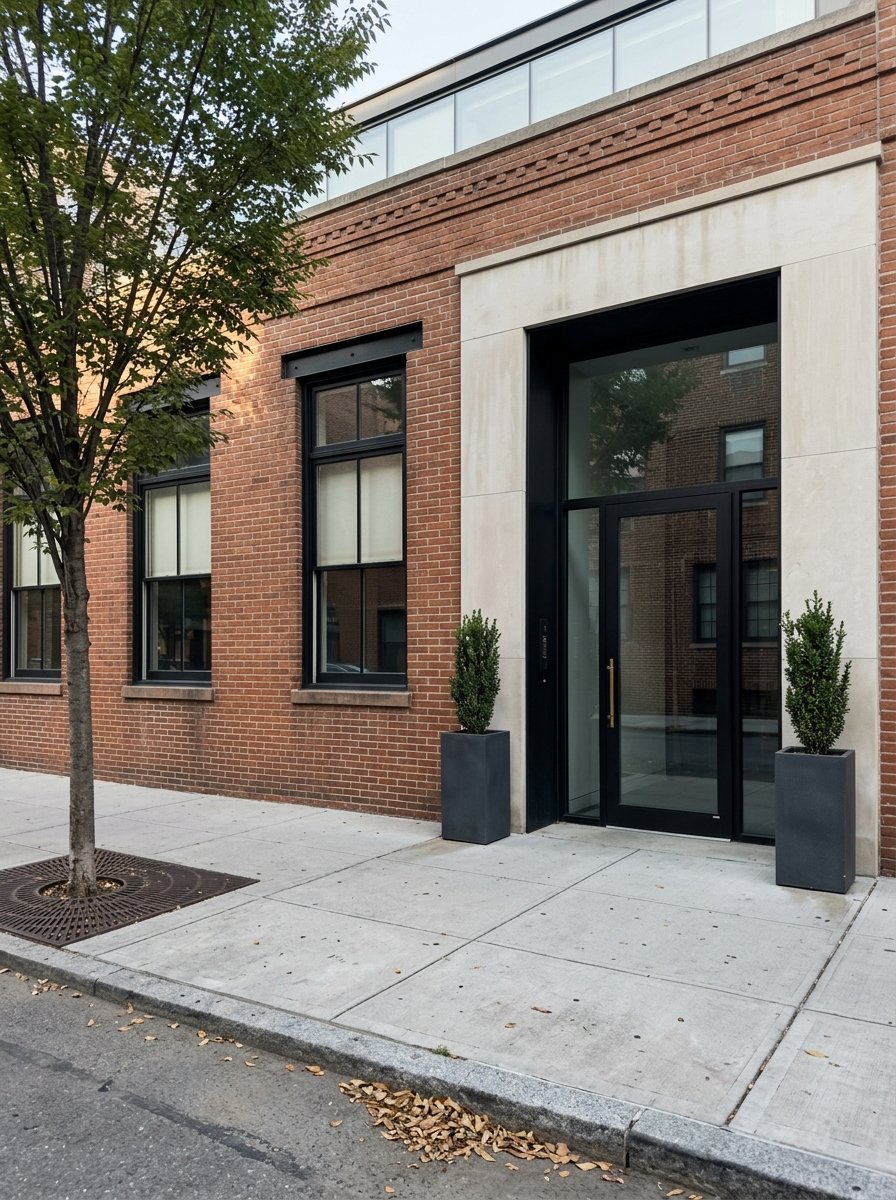
Chelsea’s housing story reflects the neighborhood’s layered history. You will find an older residential core with rowhouse blocks and front gardens, along with loft-like former industrial buildings and newer west-side development tied to the High Line era. The result is a housing landscape with distinct personalities rather than one single look.
That range can be appealing if you value options. Some buyers are drawn to classic scale and historic character, while others want converted industrial space or a more contemporary west-side building. Chelsea supports all three, which is one reason it attracts such a wide mix of city buyers.
Who Chelsea Often Fits Best
Chelsea can be especially appealing if you want a neighborhood that compresses art, dining, transit, and waterfront access into a relatively small area. That combination works well for people who spend a lot of time out in the city and want home to sit near the center of that routine. It also suits buyers looking for a Manhattan base with strong day-to-day convenience.
At the same time, it helps to be honest about the tradeoff. The same amenities that make Chelsea desirable also make some of its most visible corridors busier, especially near the High Line and waterfront. If you are considering the neighborhood seriously, the best approach is to think less about the headline and more about which part of Chelsea fits your pace.
The Real Chelsea Takeaway
Chelsea works best when you understand it as a neighborhood of layers. Yes, the High Line is important. But so are the residential side streets, the industrial buildings turned creative spaces, the food options that support daily life, and the waterfront access that gives the west side room to breathe.
If you are buying with a long view, that fuller picture matters. Chelsea is not one-note, and that is exactly why it continues to hold attention. Beyond the hype, it offers something more durable: a neighborhood where different kinds of city living can exist within a few blocks of each other.
If you are exploring Chelsea or comparing it with other Manhattan neighborhoods, working with an adviser who understands block-by-block differences can help you make a more confident move. To start a discreet, informed conversation, connect with Carlos Beltran.
FAQs
Is Chelsea in Manhattan only about the High Line?
- No. Chelsea also includes residential side streets, a major gallery scene, busy avenue corridors, and strong access to Hudson River Park and Chelsea Piers.
Does Chelsea in Manhattan feel quiet or active?
- Both. Side streets in the historic residential core tend to feel calmer, while the avenues and west-side corridors are generally busier and more commercial.
What types of homes can you find in Chelsea, Manhattan?
- Chelsea includes a mix of historic rowhouse blocks, converted industrial loft-style buildings, and newer west-side development.
Why do so many art galleries operate in Chelsea?
- West Chelsea’s former industrial buildings offered large windows, high ceilings, and open ground floors that worked well for gallery use.
What makes Chelsea convenient for daily life in Manhattan?
- The neighborhood brings together dining, galleries, waterfront parks, fitness options, and easy access to destinations like Chelsea Piers and Chelsea Market within a compact area.