If you are deciding between a townhome and a high-rise condo in Edgewater, you are not just choosing a floor plan. You are choosing how you want to live in one of the Hudson waterfront’s most space-constrained markets. That can feel like a big call, especially when views, commute time, monthly costs, and day-to-day convenience all matter. This guide will help you compare both options in practical terms so you can focus on the fit that makes the most sense for your goals. Let’s dive in.
Edgewater Housing Basics
Edgewater is a small, dense borough along the Hudson River. Census estimates put the 2025 population at 15,499 residents across just 0.97 square miles, which helps explain why attached housing plays such a major role here.
The borough’s housing mix includes townhouses, mid-rise multi-family buildings, and high-rise multi-family buildings, along with some single-family homes and duplexes. In other words, when you compare townhomes and high-rise condos in Edgewater, you are comparing two common housing forms within a limited, highly built environment.
That pattern also shows up in redevelopment activity. A recent waterfront filing at 575 River Road proposed 345 high-rise units and 30 low-rise townhouse units, which reflects how larger tower projects can be paired with a smaller number of low-rise homes.
Townhomes vs High-Rise Condos
What a townhome often feels like
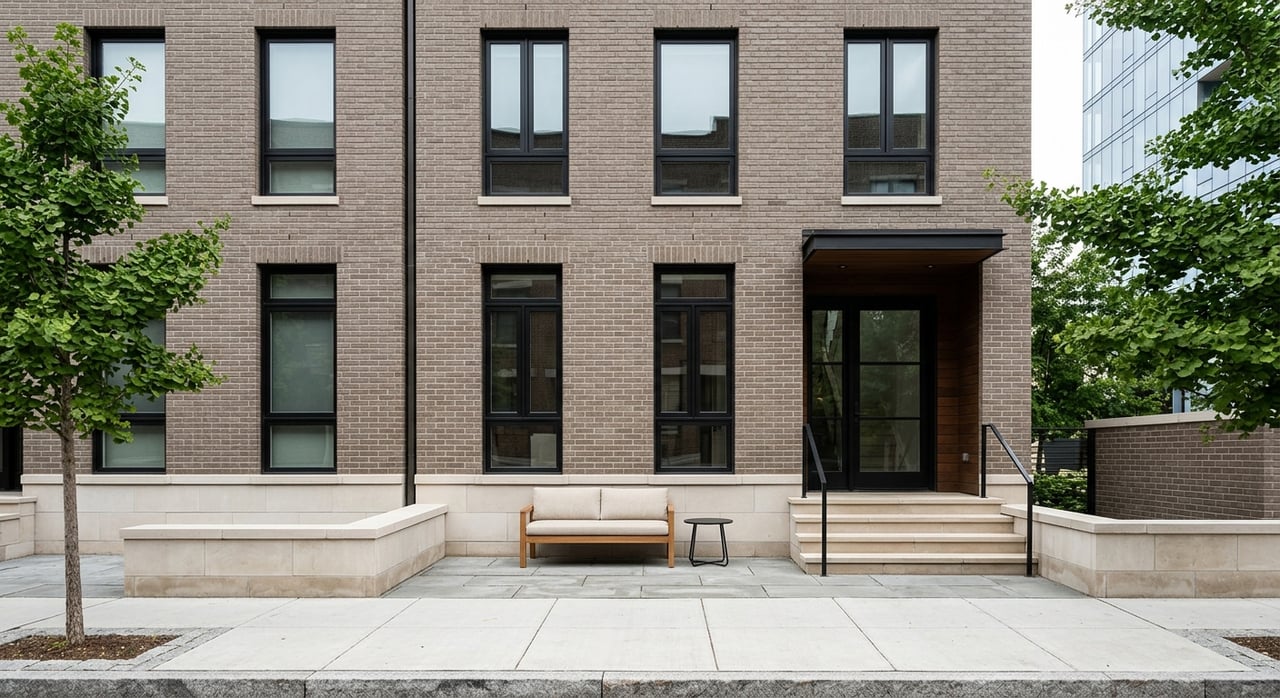
A townhome or low-rise attached home usually offers a more ground-level, residential feel. In practice, that can mean easier access in and out, less dependence on shared vertical systems, and a layout that may feel a bit more separated from the rest of the community.
That does not mean townhomes come without shared rules or costs. Townhomes can still be part of an HOA, with dues and community standards that affect common areas and ownership responsibilities.
What a high-rise condo often feels like
A high-rise condo usually comes with a more shared-building lifestyle. Elevators, common areas, and a stronger sense of living within a larger property are often part of the experience.
For some buyers, that setup is a clear advantage. If you value a lock-and-leave lifestyle, building amenities, or proximity to transit-oriented waterfront living, a high-rise condo may line up better with your priorities.
Compare Total Monthly Cost
One of the biggest mistakes buyers make is comparing only asking prices. In Edgewater, the better comparison is your total monthly carrying cost.
That monthly number can include principal, interest, property taxes, homeowner’s insurance, flood insurance if needed, and HOA dues. HOA fees are often paid separately from the mortgage, and they can range from a few hundred dollars to more than $1,000 per month.
That matters because a townhome is not automatically the lower-cost option. Both townhomes and condos may have HOA dues, so the real question is how all monthly costs add up for the specific property you are considering.
Edgewater’s Census QuickFacts show a median owner-occupied home value of $715,700 and median monthly owner costs with a mortgage of $3,935. Those figures do not tell you what any one home will cost, but they do reinforce why monthly budget planning matters here.
Cost factors to compare side by side
When you evaluate a townhome against a high-rise condo, compare:
- Mortgage payment
- Property taxes
- Homeowner’s insurance
- Flood insurance, if applicable
- HOA dues
- Parking-related costs
- Expected maintenance and reserves
A property with a lower list price can still cost more each month once fees, insurance, and parking are factored in.
Privacy and Daily Lifestyle
Your daily experience may be the clearest difference between these two property types. A townhome often appeals to buyers who want a quieter, more residential rhythm and easier ground-level access.
A high-rise condo often appeals to buyers who are comfortable with more shared infrastructure and enjoy the convenience that comes with a larger building setup. Neither choice is better across the board. The right answer depends on how you want your home to function on a normal Tuesday, not just on move-in day.
Townhome lifestyle priorities
A townhome may be a better fit if you care most about:
- A more residential feel
- Easier ground-level access
- Convenience tied to parking or outdoor space
- Less reliance on elevators and large common areas
High-rise condo lifestyle priorities
A high-rise condo may be a better fit if you care most about:
- Shared amenities
- A lock-and-leave setup
- Direct appeal for transit-oriented living
- Comfort with larger building systems and common spaces
Parking Matters in Edgewater
In many markets, parking is a preference. In Edgewater, it can be a deciding factor.
The borough requires residents and non-residents to register vehicles for parking permits and limits the number of permits. Edgewater also notes that the Ferry Landing has no public parking, which makes your home’s parking setup especially important.
A unit with an assigned space, garage access, or simple access to local transit can create a real daily advantage. If two properties seem close on paper, parking convenience may be the factor that tips the scale.
Transit and Commute Convenience
Commuting is a major part of the Edgewater value story. The Edgewater Ferry Landing at 989 River Road serves Midtown West 39th Street directly, with service to Brookfield Place and Pier 11/Wall Street via transfer at Port Imperial.
Bus access is also part of the picture. NJ Transit lists Edgewater-area service including routes 156R and 158, and the ferry landing identifies routes 158 and 188 as transit connections.
Edgewater’s mean travel time to work is 38.1 minutes, so commute planning should be part of your home search from the start. If you expect to use the ferry or bus regularly, a high-rise condo near those routes may feel especially efficient. If your schedule depends more on driving and parking ease, a townhome may deserve a closer look.
Views, Waterfront Setting, and Resale
In Edgewater, the setting matters almost as much as the unit itself. The borough’s master plan emphasizes waterfront access, open space, view corridors, and building-height management, which means views and exposure can carry real weight over time.
That is especially relevant when comparing a tower unit to a low-rise home. A high-rise condo may offer stronger view potential, while a townhome may win on access, layout, or a more grounded feel. Resale value can be influenced by whichever of those features future buyers care about most.
Monthly fees also matter at resale. Future buyers will likely weigh HOA dues, reserve strength, and building management quality right alongside finishes and location.
Floodplain Questions to Review
Because Edgewater includes waterfront areas, flood risk should be part of your review process. The borough’s 2025 floodplain ordinance states that FEMA identified special flood hazard areas within Edgewater.
That does not mean every property carries the same level of risk. It does mean you should review flood maps, insurance needs, and resilience features carefully before you commit.
This is one area where details matter. Two properties that seem similar in price can have meaningfully different ownership costs and risk profiles once flood considerations are added.
Investor Flexibility and Ownership Rules
If you are thinking about long-term flexibility, local rules matter. Edgewater says short-term rentals have been prohibited since 2017.
That narrows one potential use case for buyers who may have hoped for that option later. It can also affect the future buyer pool, especially for purchasers who prioritize flexible occupancy strategies.
HOA rules should also be reviewed closely in either product type. Since both townhomes and condos may be governed by associations, the specific community documents can shape what ownership looks like in practice.
Which Option Fits You Best?
There is no universal winner between an Edgewater townhome and a high-rise condo. The better choice is the one that aligns with how you live, commute, budget, and plan for the future.
A townhome may be the stronger fit if you want a more residential feel, easier access, and close attention to parking or outdoor-space convenience. A high-rise condo may make more sense if you prioritize shared amenities, easier lock-and-leave ownership, and proximity to ferry or bus connections.
The smartest way to compare them is not by price alone. It is by looking at total monthly cost, commute patterns, parking, flood considerations, HOA structure, and resale appeal together.
If you want help comparing Edgewater property types with a sharper eye on cost, risk, and daily fit, Carlos Beltran can guide you through the options with clear, strategic advice.
FAQs
Is a townhome always cheaper than a high-rise condo in Edgewater?
- No. Both property types may include HOA dues, and your true monthly cost should include the mortgage, taxes, insurance, flood insurance if needed, and fees.
Are high-rise condos more common than townhomes in Edgewater?
- Waterfront redevelopment patterns suggest a larger tower presence, and one recent River Road filing proposed 345 high-rise units compared with 30 low-rise townhouse units.
Does parking matter when choosing a home in Edgewater?
- Yes. Edgewater limits parking permits, requires vehicle registration for permits, and the Ferry Landing has no public parking, so assigned parking or garage access can be a major advantage.
Is Edgewater a good fit for ferry commuters?
- It can be, especially if you want access to the Edgewater Ferry Landing and nearby bus connections that support trips toward Manhattan.
Should flood risk be part of an Edgewater home search?
- Yes. The borough states that special flood hazard areas exist within Edgewater, so you should review flood maps, insurance needs, and resilience features for any property you are considering.
Can you use an Edgewater condo or townhome as a short-term rental?
- Edgewater says short-term rentals have been prohibited since 2017, so buyers should factor that into future use and resale planning.