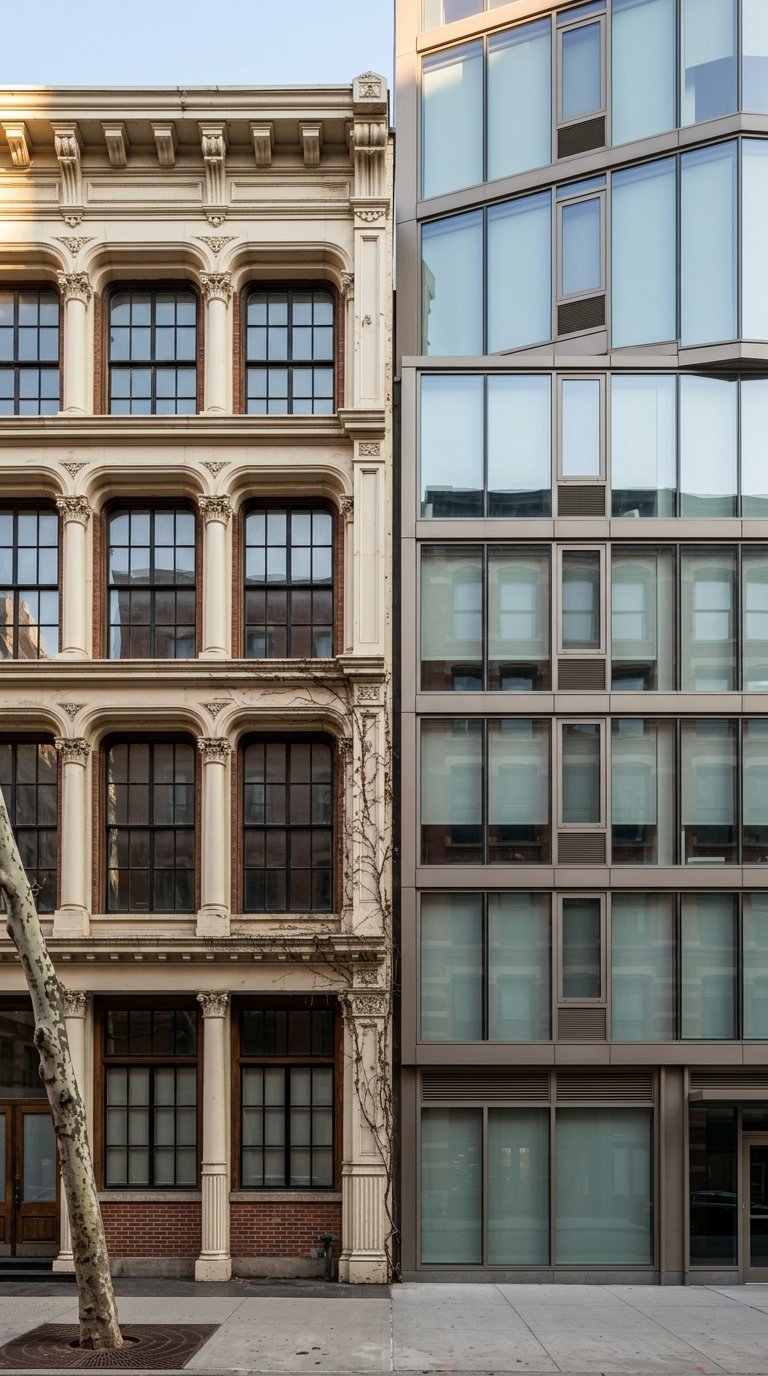
You face a signature Tribeca choice: the soul of a classic loft or the polish of a new luxury tower. Both can be extraordinary, but they live very differently day to day. If you are weighing space, light, amenities, monthly costs, financing, and eventual resale, a clear side‑by‑side view will help you choose with confidence. This guide breaks down the key differences and gives you a practical checklist for due diligence. Let’s dive in.
Tribeca market context in 2026
Tribeca remains one of Manhattan’s highest‑value neighborhoods. Public market trackers reported median sale prices often near or above the 3.5–4.0 million range and price‑per‑square‑foot around 2,000 as of early 2026. You can review neighborhood trend data on PropertyShark’s TriBeCa page for current medians and solds as a starting point.
At the very top of the market, amenity‑rich towers continue to command headline prices. For example, a penthouse at 70 Vestry reportedly closed for about 57 million in February 2026, underscoring the premium paid for views, brand, and services at the ultra‑luxury level as covered by The Real Deal. Treat these outliers as context rather than comps for most purchases.
Loft conversions: character and tradeoffs
Space and ceiling heights
Classic Tribeca lofts grew out of converted cast‑iron and warehouse buildings, many from the late 19th and early 20th centuries. The term “loft” has cultural weight but not a single legal definition, and some buildings may fall under New York’s Loft Law framework as described in this overview of loft apartments. Inside, you often find large open floor plates, exposed brick and columns, and flexible living zones.
Ceiling heights are a hallmark. Authentic lofts commonly offer about 10–14 feet on typical floors, and some duplexes or penthouses can feature double‑height volumes above 16 feet. Those dimensions create dramatic volume and can be a lasting resale advantage as lifestyle coverage has noted.
Light and window character
Expect oversized industrial windows and strong, often single‑direction light. You trade panoramic corner exposures for the texture of historic fenestration and a gallery‑like great room feel. If you value wall space for art and open entertaining, this can be ideal.
Services and fees
Many loft conversions are boutique and low‑service. You may see a part‑time super, limited common areas, and few shared amenities. That lean footprint can keep monthly carrying costs lower compared with full‑service towers, but you give up conveniences like a 24‑hour attended lobby, on‑site fitness, or a resident lounge.
Layout flexibility vs privacy
The open plan delivers drama and adaptability, but it can make bedroom placement and acoustics more complex. If you prefer defined rooms and ensuite baths for each bedroom, you will want to confirm how a given loft’s plan addresses privacy and circulation.
New towers: convenience and consistency
Amenities and services
Contemporary Tribeca towers are designed for predictable comfort and ease. Common programs include a 24‑hour attended lobby, full gyms, pools or spas, children’s rooms, lounges, and sometimes parking and private dining suites. For instance, press around 70 Vestry highlights an extensive amenity package that illustrates the lifestyle many towers deliver as summarized here. These offerings add real convenience, but they also drive higher monthly common charges.
Ceilings, views, and light
While some buyers assume towers mean standard ceiling heights, several downtown developments intentionally market higher ceilings. Select projects have advertised 10–12 foot ceilings, with standout buildings like 56 Leonard citing even greater heights in specific residences according to industry reporting. Towers also emphasize floor‑to‑ceiling glass, corner exposures, and Hudson River or skyline views, which can command a view premium at resale.
Operating costs to expect
More staff and amenities usually mean higher monthly common charges. Review the building’s budget, how amenity costs are allocated, and any separate fees tied to parking, storage, or club‑level spaces. Consistent systems and services can reduce day‑to‑day friction, but you will pay for them each month.
Carrying costs, financing, and taxes
Co‑op maintenance vs condo charges
In co‑ops, your monthly maintenance often bundles the building’s taxes, insurance, staff, and sometimes an underlying mortgage into one bill. In condos, you typically pay a separate property tax bill plus monthly common charges for operations and amenities. The co‑op number can look higher on paper because taxes are embedded, so you should always compare the all‑in monthly cost for apples‑to‑apples: mortgage principal and interest, taxes, maintenance or common charges, insurance, utilities, and any parking or storage. For a clear explainer on the structural differences, see this co‑op vs condo guide.
Financing rules and timing
Co‑ops commonly require more documentation, larger down payments, and may cap financing percentages or ask for post‑closing liquidity. Board approvals can extend closing timelines. Condos often allow more flexible financing and faster timelines, which broadens the buyer pool and can support liquidity at resale. You will want to confirm any building‑specific lending restrictions and board policies before you commit the StreetEasy guide above provides a helpful overview.
Closing taxes at high price points
New York City closing costs are meaningful at Tribeca price levels. The state’s mansion tax applies at 1,000,000 and steps up at higher brackets, and state and city transfer taxes also apply. Model these costs early so you compare options accurately review the tax authority’s overview.
Resale, liquidity, and buyer pools
Who gravitates to each product
Loft conversions tend to attract buyers who prize character, large flexible spaces for art or entertaining, and the cachet of a historic shell. That aesthetic can be powerful but also specific, which narrows the buyer pool slightly. For perspective on the enduring appeal of cast‑iron lofts, see this feature on a classic New York City loft.
Towers generally draw buyers who want modern systems, predictable amenities, and lock‑and‑leave convenience. They also tend to be more investor‑friendly and attractive to international buyers due to simpler ownership and subletting rules as lifestyle reporting notes.
Liquidity and days on market
Because condos welcome a wider range of buyers, they often provide sellers with broader demand and smoother timelines. Co‑op transactions are shaped by board approvals and house rules, which can add steps and time. Remember that price band matters as much as product type. A well‑priced 1–2 bedroom tends to move faster than a trophy‑scale residence in any building.
Scarcity and view premiums
Historic loft attributes are finite in Tribeca. Original timber or cast‑iron details and landmarked facades can support a scarcity premium over time. Towers lean on amenity programs, architecture, and views. Those are valuable, but another high‑rise can sometimes replicate the formula nearby. When you compare potential resale performance, focus on hyper‑local comps and the specific value drivers of your unit.
How to decide for your lifestyle
Prioritize a loft conversion if you:
- Want architectural character and volume, including 10–14 foot or double‑height ceilings.
- Prefer a flexible great‑room layout for entertaining, galleries, or large‑scale furnishings.
- Plan to live as an owner‑occupant and accept fewer shared amenities to manage monthly costs.
- Are comfortable with older building variables and a more hands‑on approach to due diligence see this loft backgrounder.
Prioritize a new tower if you:
- Value modern systems, a 24‑hour attended lobby, and a full amenity suite.
- Prefer defined bedroom suites and consistent finishes across the building.
- Want broader resale liquidity or plan to use the home as a pied‑à‑terre or investment, subject to building policy.
- Accept higher common charges as the trade for convenience illustrated by modern amenity programs like those at 70 Vestry.
Due diligence checklist for Tribeca buyers
Use this checklist before you finalize an offer. These items help you understand risk, monthly costs, and resale position.
Ownership form and documents. Confirm co‑op, condo, or condo‑conversion status and review the offering plan, proprietary lease, and by‑laws as applicable. For condos and conversions, search the NY Attorney General’s offering plan database.
Board rules and use. Read house rules on subletting and pied‑à‑terre use, especially in co‑ops. A concise primer is in this co‑op vs condo overview.
All‑in monthly analysis. Add mortgage principal and interest, property taxes, maintenance or common charges, insurance, utilities, and any parking or storage. Compare on a per‑square‑foot basis.
Building financials and reserves. Request audited financials, reserve balances, and meeting minutes. Older conversions may face façade or mechanical projects that lead to assessments.
Permits, violations, and certificates. Search DOB BIS and DOB NOW for permits, open violations, and certificate of occupancy or change‑of‑use history. For an overview of BIS access, start here: NYC Buildings Information System. If a building is subject to Loft Law, also review Loft Board resources.
Amenity cost allocation. In towers, confirm whether certain amenities carry separate fees or access rules and how those costs roll into common charges.
Recent comps and timing. Pull 12–24 months of nearby solds, separating lofts and towers on adjacent blocks. Use a neighborhood trend dashboard such as PropertyShark’s Tribeca trends as one reference point.
Financing parameters. Ask your lender about building‑specific underwriting, co‑op financing caps, reserve requirements, and investor rules. Confirm timelines if a board interview is required.
Lifestyle mapping. Match daily needs to the building: pets, stroller or bike storage, guest stays, parking, elevator size, and on‑site staff.
Model closing costs. Include mansion tax brackets and transfer taxes in your comparison so line‑item differences in maintenance or common charges do not mislead you review the tax authority’s summary.
Real‑world Tribeca examples to study
- 56 Leonard. An architect‑driven tower known for striking design and select residences with notably high ceilings covered in industry reporting.
- 70 Vestry. A contemporary, full‑service building with a deep amenity stack and headline pricing at the very top of the market see the 57 million penthouse closing.
- Cast‑iron and warehouse conversions. Tribeca’s cast‑iron lineage fuels the enduring appeal of authentic lofts, with historical detail and volume that remain scarce illustrated here.
Ready to compare options in person?
If you want a side‑by‑side, numbers‑first comparison tailored to your goals, we are here to help. With an attorney‑grade approach to due diligence, financing savvy, and Compass tools for private previews and pre‑market testing, we will help you buy with clarity and confidence in Tribeca. Connect with Carlos Beltran to request a private consultation.
FAQs
What is the biggest layout difference between Tribeca lofts and towers?
- Lofts favor large, open great rooms with flexible bedroom placement, while towers more often deliver defined bedrooms, ensuites, and compartmentalized plans designed for everyday practicality.
Do new Tribeca towers have higher ceilings than lofts?
- Not usually, but some towers market 10–12 foot heights and select residences with even more volume, so you should compare individual floor plans rather than assume uniform low ceilings industry coverage on ceiling heights.
Why can condo common charges look lower than co‑op maintenance?
- Condo owners pay property taxes separately from monthly common charges, while co‑op maintenance often includes taxes, staff, and building costs in one line. Always compare the all‑in monthly number for accuracy see this co‑op vs condo explainer.
How do closing taxes affect a Tribeca purchase?
- At typical Tribeca price points, New York’s mansion tax and state and city transfer taxes can materially increase closing costs, so you should model them early review the tax authority’s overview.
What documents confirm whether a building is a condo or co‑op conversion?
- For condos and conversions, search the NY Attorney General’s offering plan database and review the plan and amendments; for co‑ops, read the proprietary lease and by‑laws and request recent building financials.
How do I check a loft conversion’s legal status in New York City?
- Start with the Department of Buildings’ public systems for permits, violations, and certificates and review Loft Board resources to understand Loft Law coverage and compliance history.