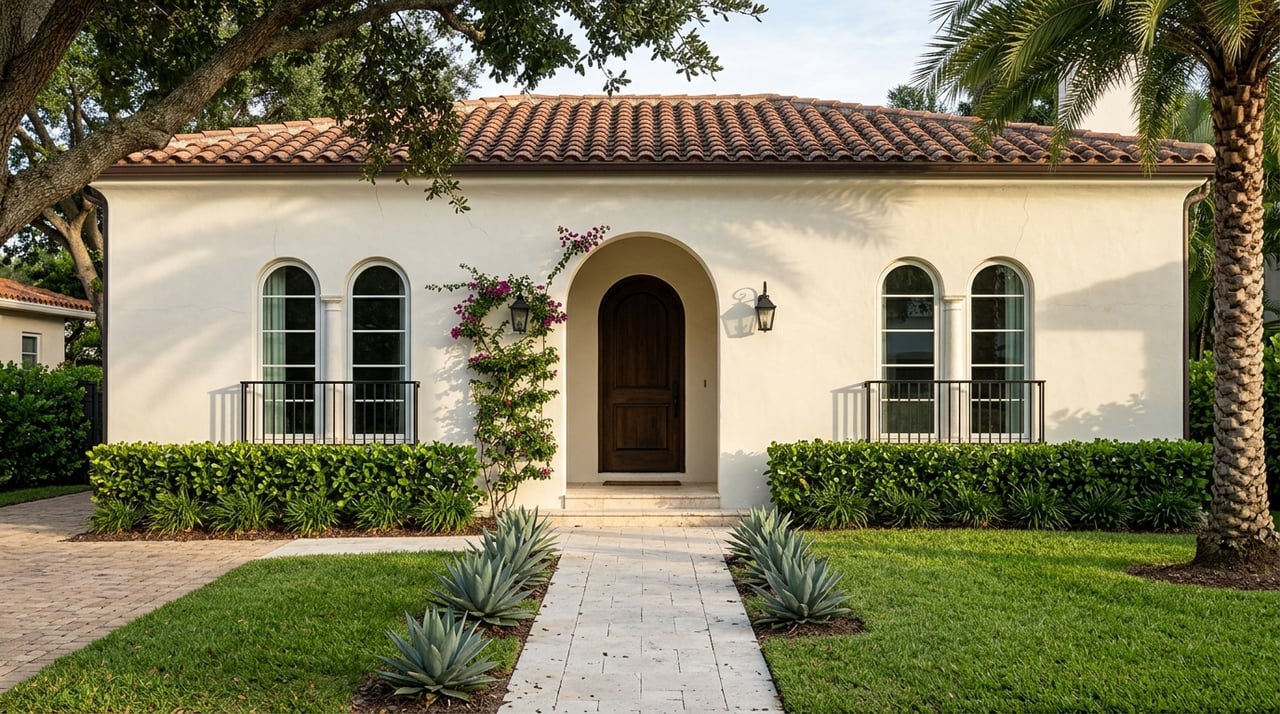
Selling a historic home in Coral Gables is not the same as selling a standard property. Buyers often notice original details right away, and the city pays close attention to how exterior changes affect architectural character. If you want to protect value, avoid delays, and present your home with confidence, it helps to plan your pre-sale work carefully. Let’s dive in.
Why historic prep is different
Coral Gables has a distinct preservation framework, and that matters before you list. The city says more than 1,000 properties are on the Coral Gables Register of Historic Places, and Miami-Dade notes that Coral Gables opted out of county historic-preservation jurisdiction.
That local context shapes how you should prepare your home for market. In many cases, the strongest strategy is not to modernize everything. It is to preserve the features that make the home architecturally coherent and appealing in the first place.
What buyers notice first
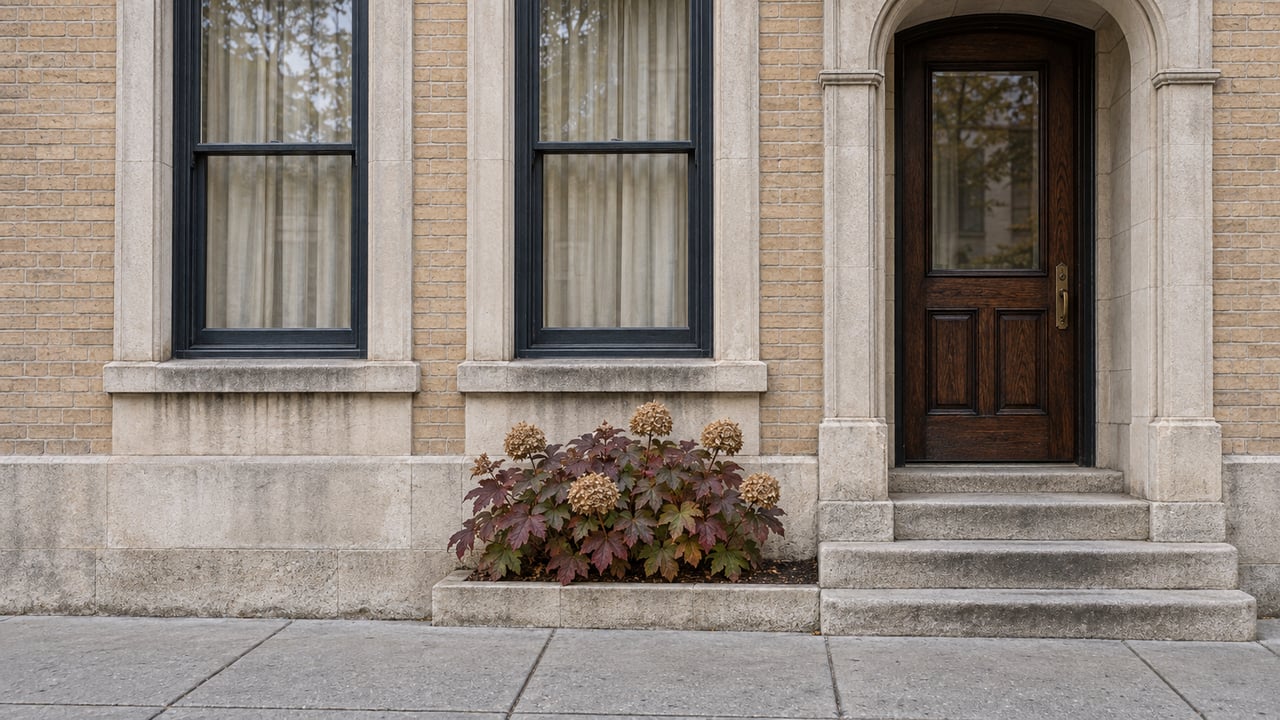
In historic Coral Gables homes, character-defining details tend to carry real weight. Common features include coral rock or oolitic limestone, stucco, barrel tile roofs, clay vents, wooden doors, wrought iron, arches, loggias, and carefully scaled windows and rooflines.
These are often the details that create a strong first impression. When they are maintained well, they help your home feel authentic and well cared for rather than overworked or stripped of identity.
Check city review rules early
Before you schedule exterior work, confirm what the city may require. Coral Gables states that a Certificate of Appropriateness is required before most exterior work begins and before a building permit can be issued, although some maintenance-only work may not require that review.
The safest working assumption is simple: if the change will be visible from the exterior, check first. The Board of Architects reviews whether proposed work fits city design standards, including color, materials, window proportions, and overall visual order.
This can affect more than obvious remodels. Depending on the project, review can extend to roof tiles, pools, pavement, signs, and expansions, which means even smaller-looking updates may matter if they alter the exterior appearance.
Focus on repair over replacement
For most historic homes in Coral Gables, repair is usually the smarter pre-sale path. The city’s preservation guidance favors repairing original features whenever possible rather than replacing them.
If a feature truly must be replaced, the replacement should match the original in design, color, texture, and, when possible, materials. That approach helps preserve character and reduces the risk of introducing a detail that feels out of place to buyers or reviewers.
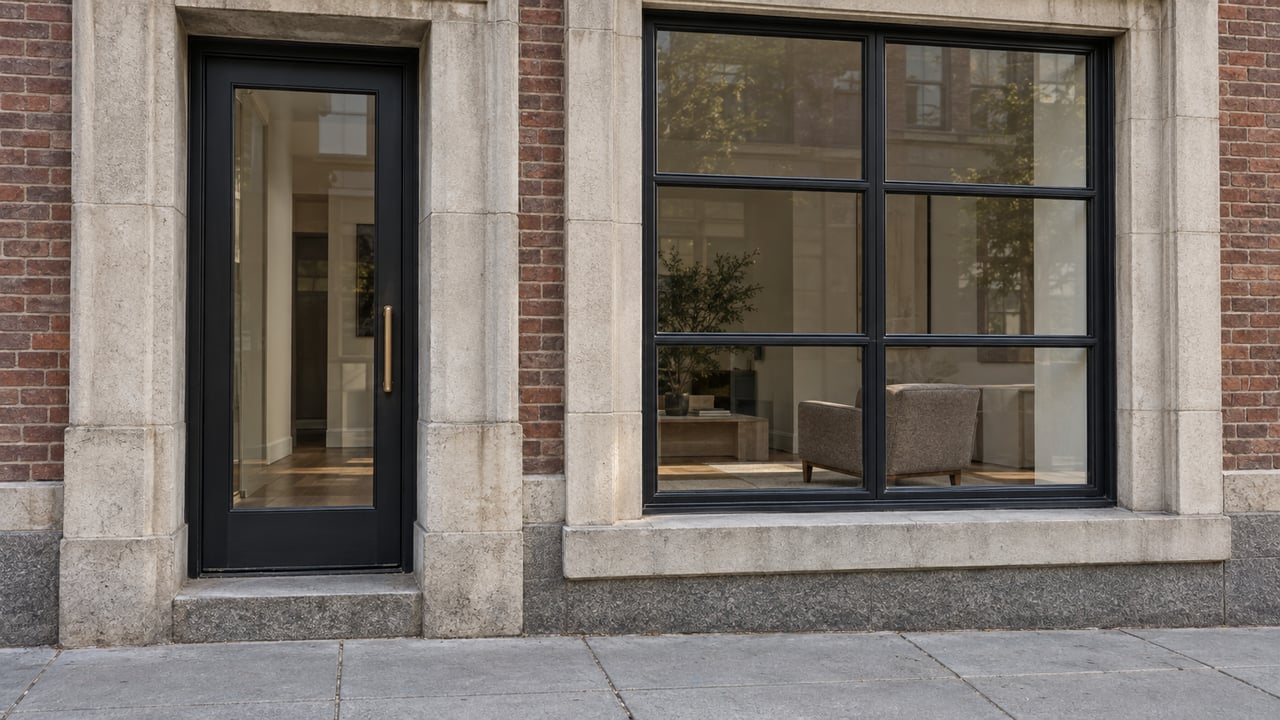
This is especially important for windows, doors, rooflines, and masonry details. The city specifically warns that changing roof pitch or using incompatible replacement windows can permanently damage a home’s historic character.
Choose exterior updates carefully
Not every improvement adds value in the same way. In a historic Coral Gables sale, the most effective updates are usually the ones that improve condition, reduce inspection risk, and support the home’s original architecture.
Good examples include:
- Fixing active leaks
- Correcting drainage issues around the structure
- Repairing damaged stucco or masonry
- Maintaining original windows and doors when possible
- Preserving existing rooflines and visible architectural details
These updates tend to support both presentation and due diligence. They show buyers that the home has been cared for without creating new questions about whether the work fits the property or complies with local standards.
Be careful with paint and cleaning
Cosmetic work can help, but it needs to be thoughtful. If you are planning new exterior paint, Coral Gables provides pre-approved color resources that can help align the result with city review standards and the home’s architecture.
Cleaning also deserves caution. The city warns against methods that can damage historic materials and specifically notes that sandblasting can be harmful, so gentler cleaning methods are generally preferred for historic masonry and finishes.
In other words, the goal is not to make the home look brand new at any cost. The goal is to make it look well maintained, visually consistent, and respectful of the materials that give it character.
Tidy the landscape without overdoing it
Landscaping can strengthen curb appeal, but it should support the home rather than compete with it. Practical maintenance often matters more than dramatic redesign.
Before listing, it can help to:
- Trim branches away from roofs and walls
- Make sure water flows away from the structure
- Direct AC drainage away from the home
- Avoid plantings too close to exterior walls
These steps can improve appearance while also helping manage moisture exposure. If you are considering major tree work or demolition-related cleanup, check city requirements first, since tree surveys and tree-protection plans may be required for certain work.
Get ahead of inspection surprises
Historic homes often show beautifully and still raise issues during inspection. In older South Florida homes, common pressure points include roof leaks, drainage or foundation movement, water intrusion at walls and ceilings, windows that do not open or seal properly, plumbing leaks, HVAC function, attic signs of roof leaks, and visible electrical issues.
If you want to reduce renegotiation risk, pre-listing diligence can be a smart move. Standard home inspections do not cover pests, asbestos, mold, or lead, so targeted specialist inspections may be worth considering before your home hits the market.
That can be especially helpful if you want fewer surprises after the first buyer inspection. It also gives you more control over timing, repair decisions, and how findings are documented.
Watch for termite and moisture issues
Termites are a known concern in older Florida homes, and they do not always reveal themselves right away. Drywood termites often appear in attic wood, fascia, window sills, doors, and even furniture, with signs such as frass pellets, blistering wood, or hollow-sounding lumber.
Subterranean termites can be especially destructive in Florida. They may enter through cracks, expansion joints, or utility penetrations, and moisture from roof leaks, leaky plumbing, or AC condensate can make conditions more favorable.
Because hidden damage may only become obvious when walls are opened, a clean interior does not always mean there is no issue. If you suspect termite activity or recurring moisture, addressing it before listing is often easier than defending it later.
Gather your paperwork before showings
Documentation can be a major advantage when selling a historic home. Coral Gables review materials may require project history, prior approvals, elevations, plans, architectural details, and Florida Master Site File historic-structure forms.
Before your first showing, it is wise to gather:
- Prior permits
- Certificates of Appropriateness
- Resolutions, ordinances, and conditions of approval
- Original plans or renovation plans
- Vintage photos
- Receipts, warranties, and repair records
- Before-and-after documentation for completed work
This paperwork helps answer the questions buyers often ask about what is original, what has changed, and whether visible work was properly approved. If the home has had additions, roof changes, window replacements, or other exterior changes, confirming permit and approval history can be especially important.
Old photos can add real value
Historic documentation is not just nice to have. It can support your sale strategy in practical ways.
Coral Gables has used vintage photographs to reconstruct missing architectural details, which shows how useful old images can be. If you have family photos, archived listing photos, sketches, or older renovation records, keep them organized and accessible.
For buyers, this material can provide confidence and context. For a historic home, that kind of story often strengthens perceived value.
Consider tax-exemption records if relevant
If your home has been part of an approved rehabilitation project, gather any related records as well. Miami-Dade’s application for the historic-property tax exemption calls for items such as before photos, architectural plans or elevations, proof of designation, an approved Certificate of Appropriateness, and a preconstruction review form.
The county states that this exemption is intended to encourage rehabilitation and can run for ten years on the added value. Coral Gables also notes that the municipal portion of the exemption is available there.
This will not apply to every seller, but if it applies to you, it can help show the scope and legitimacy of past work. If you are considering major pre-sale work, verify eligibility before construction begins.
Spend your budget where it counts
If you are trying to decide where to invest before listing, think in terms of risk reduction and preservation. In this market, a full modernization that changes the home’s proportions or style is often less defensible than permit-cleared, preservation-friendly repairs.
Your budget is usually better spent on work that makes the home easier to inspect, easier to understand, and easier to appreciate. That often means solving leaks, improving drainage, repairing material damage, and maintaining original features instead of replacing them with something trend-driven.
Minor repairs may be exempt in some cases, but work affecting structural, plumbing, electrical, or mechanical systems generally is not. Checking city permit-exemption and design-signature rules before work begins can save time and frustration later.
The smart pre-sale goal
The best historic-home sale prep in Coral Gables is rarely about making the home look newer. It is about presenting it as well maintained, well documented, and true to its architecture.
That is where a careful, concierge-style strategy can make a real difference. When your improvements respect the home’s original character and your paperwork supports the story, you put yourself in a stronger position for pricing, marketing, and negotiation.
If you are preparing a historic Coral Gables property for sale and want a thoughtful plan around presentation, documentation, and pre-market strategy, Carlos Beltran can help you move forward with clarity and discretion.
FAQs
What exterior work usually needs review for a historic Coral Gables home?
- Coral Gables says a Certificate of Appropriateness is required before most exterior work begins and before a building permit can be issued, so visible exterior changes should be checked with the city before work starts.
What repairs are usually worth doing before selling a historic Coral Gables home?
- The most practical pre-sale updates are usually leak repairs, drainage improvements, damaged stucco or masonry repair, and maintenance of original windows, doors, and rooflines whenever possible.
What inspection issues are common in older Coral Gables homes?
- Common issues include roof leaks, water intrusion, drainage problems, windows that do not open or seal well, plumbing leaks, HVAC concerns, attic leak signs, visible electrical issues, and possible termite activity.
What termite signs should sellers watch for in older South Florida homes?
- Signs can include frass pellets, blistering wood, hollow-sounding lumber, and conditions that increase moisture, such as roof leaks, plumbing leaks, or AC condensate near the structure.
What documents should you gather before listing a historic Coral Gables home?
- Helpful documents include permits, Certificates of Appropriateness, prior approvals, plans, elevations, vintage photos, receipts, warranties, and before-and-after repair records.
Can old photos help when selling a historic Coral Gables property?
- Yes. Old photos can help show original details, explain prior changes, and support the home’s architectural story, which can be useful for both buyers and city review context.