Is now a smart time to sell your Coral Gables single-family home? With higher mortgage rates reshaping buyer behavior and strong demand still flowing into South Florida, it pays to understand how today’s market works at the neighborhood and price-tier level. If you are planning a sale in the next 6 to 18 months, a clear plan can help you protect value and move on your terms.
In this guide, you’ll learn what drives pricing in Coral Gables, how seasonality affects timing, how historic and renovated homes perform, and the steps to get your property sale-ready. You will also find practical negotiation tips and resources. Let’s dive in.
Coral Gables market snapshot
Mortgage rates rose sharply in 2022 and stayed elevated through 2023 and 2024. That reduced buyer purchasing power across the country, although South Florida has remained more resilient due to cash and international demand. For a quick view of rate trends, review the Freddie Mac Primary Mortgage Market Survey.
Regional reports show that price appreciation has moderated from the pandemic surge. Transaction volume and pricing can vary by neighborhood and price tier, so citywide medians tell only part of the story. For broader Florida context, scan Florida Realtors market research.
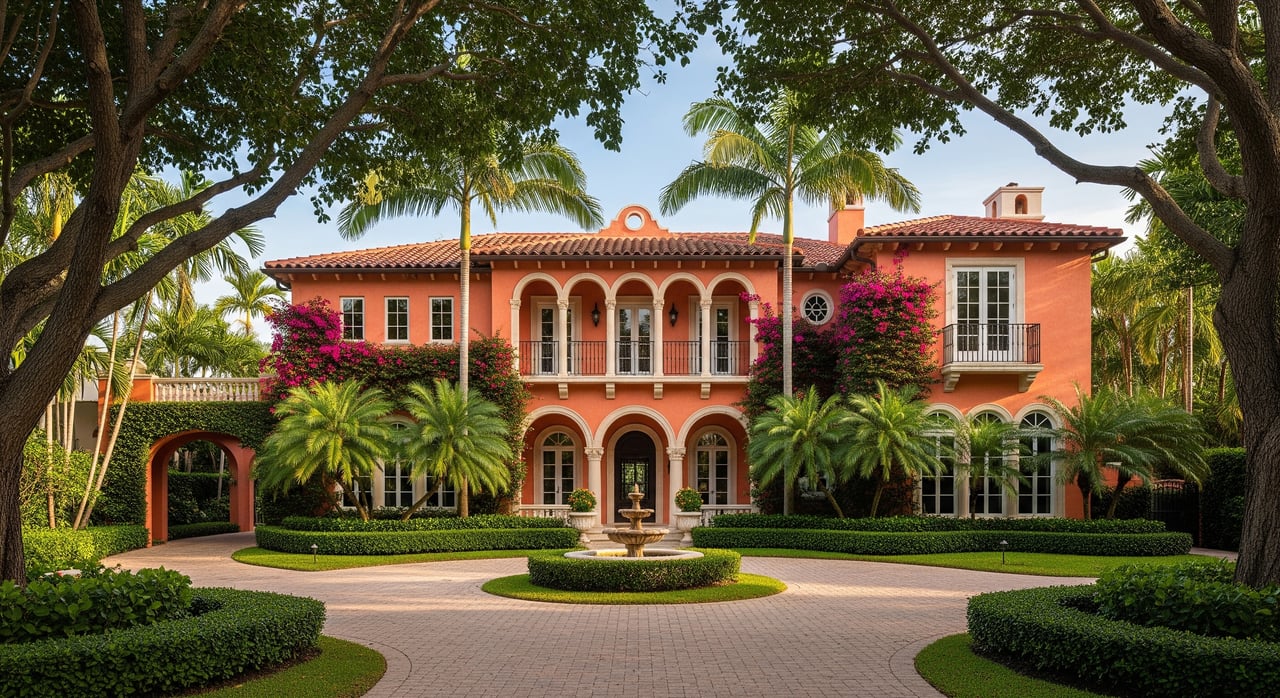
Coral Gables is a higher-price, amenity-rich submarket with mature tree canopy, Mediterranean and villa-style architecture, and a mix of local, domestic, and international buyers. Many properties are historic or sit on large lots, which sell differently than smaller or newer homes. Seasonality matters here, too. Buyer activity often rises in late fall through spring as winter buyers visit South Florida.
What actually drives pricing
Pricing in Coral Gables depends on your micro-market. A few high-end closings can swing monthly averages because the area is smaller and higher value. Instead of chasing a single monthly stat, track trends over 3 to 12 months and compare your home within realistic price bands, such as under $1 million, $1 to $3 million, and $3 million plus.
Ask your agent to review these metrics by neighborhood and price tier:
- Active inventory and months of supply
- Pending-to-active ratio (how many listings are under contract)
- Median days on market, list-to-sale price ratios
- Price per square foot trends and lot-size premiums
Well-positioned, renovated homes often hold value better and can attract cash offers. Unique or historic properties may take longer to match with the right buyer but can command a premium when marketed correctly.
When to list in Coral Gables
If you want maximum exposure, plan for the higher-traffic months from November through April. That timing aligns with winter visitors and second-home buyers who tour properties in person. You can still sell off-season, but set expectations on time to secure showings and negotiate.
For luxury or privacy-conscious sellers, off-market strategies are common. Private showings, broker-to-broker outreach, and curated buyer lists can create targeted momentum before going public. Tools like Compass Private Exclusives allow you to test pricing and gauge interest without broad exposure, then launch publicly with data-driven confidence.
Who is buying right now
Most Coral Gables buyers are a mix of local owner-occupiers, domestic luxury movers, and international purchasers. Cash buyers remain a meaningful share, especially in the upper tiers. When financing is involved, jumbo loan availability and underwriting standards matter because many homes here exceed conventional limits. Elevated rates also mean larger down payments and appraisal diligence are front and center.
International buyers often prefer cash or local financing. If you are a non-resident seller, learn how FIRPTA withholding can affect your closing by reviewing IRS FIRPTA guidance.
Historic vs. renovated: how they perform
Coral Gables has many architecturally significant homes. The City’s Historic Preservation Board oversees exterior changes for properties with certain designations. Before listing, confirm your home’s status and permitting history with the City’s resources at the City of Coral Gables.
- Historic homes. Historic districts often stabilize neighborhood character and are associated with more stable or higher values over time in many markets. Buyers who value craftsmanship and authenticity tend to respond well when you document original details, approved plans, and completed restoration work. For perspective on preservation and value, see the National Trust for Historic Preservation.
- Renovated homes. Updated systems, impact windows, and modern kitchens and baths usually shorten time on market. In luxury segments, design-forward finishes can be justified, but scope should match recent comps in the same tier. For ROI on common projects, the national Cost vs. Value Report is a useful benchmark.
If you are 6 to 18 months out, prioritize updates that remove buyer uncertainty: roof, HVAC, electrical, plumbing, pest and termite, pool equipment, and hurricane protection.
6–18 month prep checklist
Start early so you can make smart, measured decisions.
Strategy and comps
- Request a comparative market analysis that segments comps by neighborhood, lot size, and price tier. Avoid relying only on citywide medians.
- Review 3 to 12 month rolling trends rather than a single month.
Due diligence and documentation
- Order a pre-listing inspection, plus roof and pest/termite checks. Decide what to fix now versus disclose with pricing.
- Confirm historic status, permit history, and any open items. Assemble plans, approvals, and completion certificates. Use the City of Coral Gables for permitting and preservation references.
- Gather tax and property records from the Miami-Dade Property Appraiser. Parcel data and tax history help buyers verify details.
Repairs and buyer-sensitive items
- Service or replace aging HVAC units.
- Verify roof condition and gather documentation.
- Ensure hurricane protection is functional and documented.
- Refresh kitchens and main baths to match the expected finish level for your price tier.
- Clean and service pool equipment. Present the pool as a feature, not a project.
- Enhance curb appeal. Mature landscaping is a strong selling point in Coral Gables.
Marketing and presentation
- Use professional photography, drone shots to showcase lot and tree canopy, floor plans, and virtual tours.
- For historic homes, highlight period details and any approved restoration.
- For privacy needs, consider off-market previews or a private listing phase to vet pricing and buyer feedback.
Financial and legal planning
- Speak with a CPA about capital gains, the primary residence exclusion, and homestead considerations. If you are non-resident, plan for FIRPTA. Review FIRPTA basics from the IRS.
- If you are considering a 1031 exchange for an investment property, line up qualified intermediaries well before closing.
Pricing and negotiation in today’s market
Price to your segment. A restored historic home, a fully renovated luxury property, and a teardown or lot value listing each require a different strategy. Overpricing can push qualified buyers to better-positioned homes.
Aim to capture the strongest attention in the first two to three weeks. For high-end homes, targeted private showings and broker tours before public launch can help generate focused interest and early offers.
What to expect in negotiations:
- Cash buyers may ask for shorter timelines and fewer contingencies. Allow inspections or consider reasonable credits to reduce post-contract friction.
- Financed buyers will likely include appraisal and financing contingencies. For jumbo appraisals, prepare a package for the appraiser with recent comps, upgrades, lot attributes, and unique features.
- International deals require secure escrow and wire verification. Work with a title team experienced in cross-border transactions and confirm tax obligations early.
Concessions can include repair credits, longer decision cycles for unique or historic homes, or requests for delayed closings. Stay focused on net proceeds, timeline, and certainty of close.
How to read the data without getting lost
Because a few luxury closings can move monthly averages in Coral Gables, use a layered view:
- Review a rolling 6 to 12 months of sales.
- Compare against your specific price tier and immediate neighborhood.
- Track pending-to-active ratios to see real-time demand.
- Watch days on market trends and list-to-sale price ratios for your tier.
For local and regional context, Florida-wide reports are helpful. Explore Florida Realtors market data, and keep an eye on weekly rate movement via Freddie Mac PMMS.
A smarter selling plan with white-glove support
You deserve a plan that respects your time, privacy, and financial goals. With attorney-grade diligence and Compass-enabled marketing, you can prepare with confidence, preview pricing discreetly if needed, and launch a polished campaign that reaches the right buyers. Services like Compass Concierge can help fund select pre-market improvements, while Private Exclusives allow pre-market exposure to qualified buyers before going live.
When you are ready, partner with a local advisor who understands Coral Gables micro-markets, historic requirements, jumbo financing dynamics, and international considerations. If you want to talk through options or timing, reach out to Carlos Beltran for a private consultation.
FAQs
What should Coral Gables sellers fix before listing?
- Prioritize items that remove buyer uncertainty, such as roof, HVAC, pest and termite issues, pool equipment, hurricane protection, and safety or permit-related repairs.
How do historic designations affect Coral Gables home sales?
- Historic status can narrow the buyer pool for major renovations but often supports stable or stronger values over time when paired with documented maintenance and approved restoration work.
When is the best season to list a Coral Gables single-family home?
- Buyer activity is typically strongest from November through April in South Florida, although the right pricing and presentation can drive results year-round.
How important are cash offers in the Coral Gables market?
- Cash offers are common in upper tiers and among international buyers, reduce financing risk, and often enable faster closings, although inspections and diligence still matter.
What legal or tax issues should Coral Gables sellers prepare for?
- Discuss capital gains and homestead questions with a CPA, and if you are a non-resident seller, review FIRPTA withholding requirements using the IRS FIRPTA guidance.