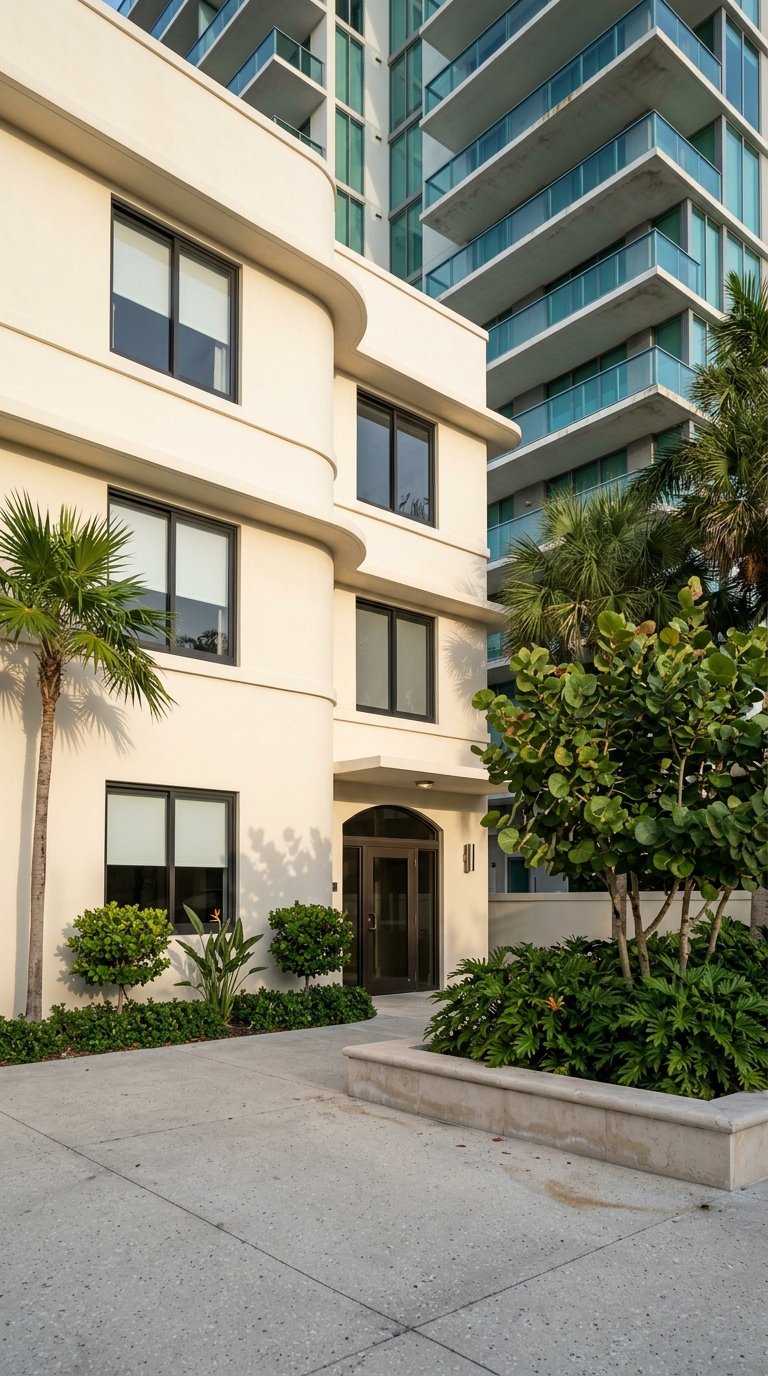
Wondering whether a Miami Beach condo should feel more like a private retreat or a full-service resort? That choice matters more than many buyers expect, because in Miami Beach, the difference between an amenity-rich tower and a boutique building can shape your monthly costs, rental options, privacy, and day-to-day lifestyle. If you are comparing neighborhoods, building types, or second-home strategies, this guide will help you weigh the tradeoffs with more clarity. Let’s dive in.
Miami Beach condo choices start with fit
Miami Beach is not one uniform condo market. It is better understood through South Beach, Mid Beach, and North Beach, each with a different feel, building mix, and pricing snapshot.
The city connects these areas with complimentary trolleys, and the Beachwalk runs along the shoreline. That means beach access is often less of the deciding factor than the kind of building you want, how much activity you enjoy, and what level of service fits your goals.
As a Q1 2025 snapshot, median condo sales prices were reported at $377,500 in North Beach, $700,000 in Mid Beach, and $450,000 in South Beach. That does not mean every building follows the same pattern, but it does show how much product mix and location can influence value in Miami Beach.
What amenity-rich towers usually offer
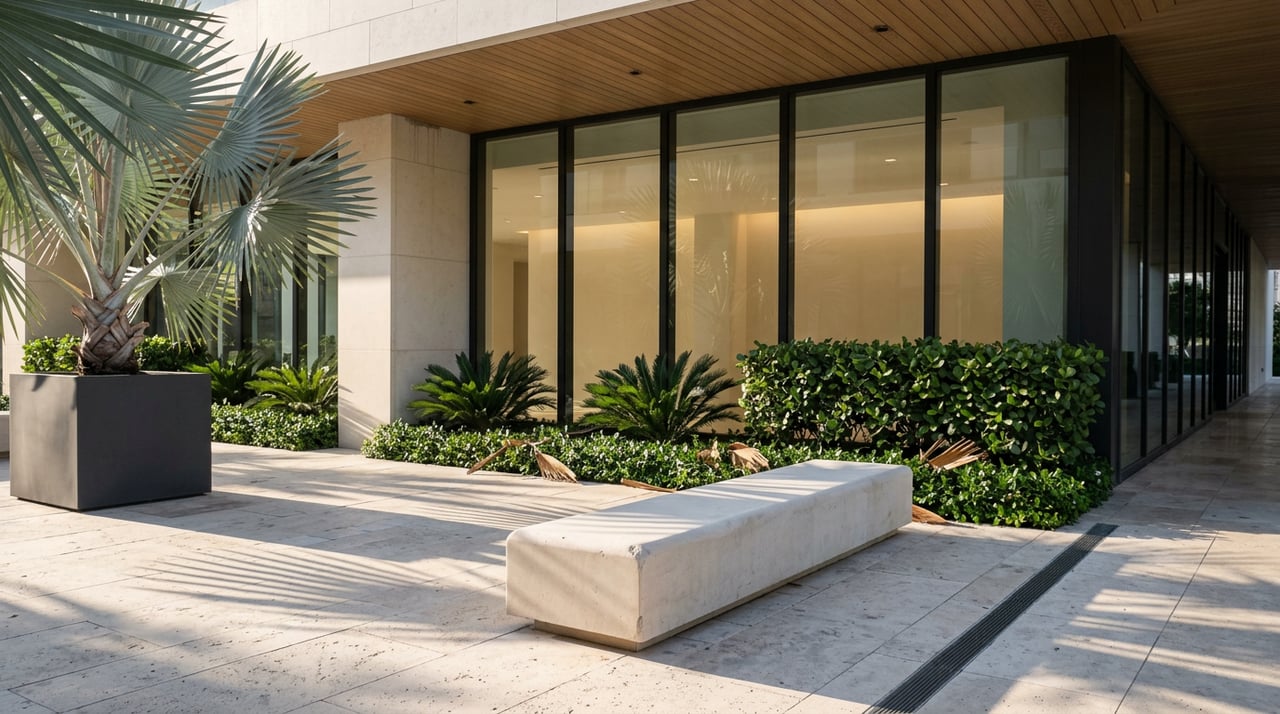
Amenity-rich towers are often built around convenience, services, and a more elevated shared-living experience. In Miami Beach, that can mean features like staffed lobbies, larger shared areas, and a more resort-style atmosphere, especially in Mid Beach and parts of South Beach where that product naturally fits the surrounding setting.
For many buyers, the biggest benefit is simplicity. If you want a lock-and-leave second home or a condo that feels turnkey, a larger tower can offer a lifestyle that feels more supported from the moment you arrive.
These buildings also tend to align well with neighborhoods that already offer strong walkability, dining, culture, and transit access. Mid Beach, with its luxury resort identity, spas, arts-and-lifestyle setting, and stylish hospitality feel, is often where this product type feels especially coherent.
When a tower may make sense
An amenity-rich tower may be a strong fit if you value:
- Full-service convenience
- A more active building environment
- A lock-and-leave second-home setup
- Shared amenities that support day-to-day ease
- Locations that feel plugged into dining, culture, and movement
That said, convenience usually comes with more shared systems and more recurring operating costs. A building with more services often has more to maintain, more staff to support, and more budget items that affect dues over time.
What boutique buildings usually offer
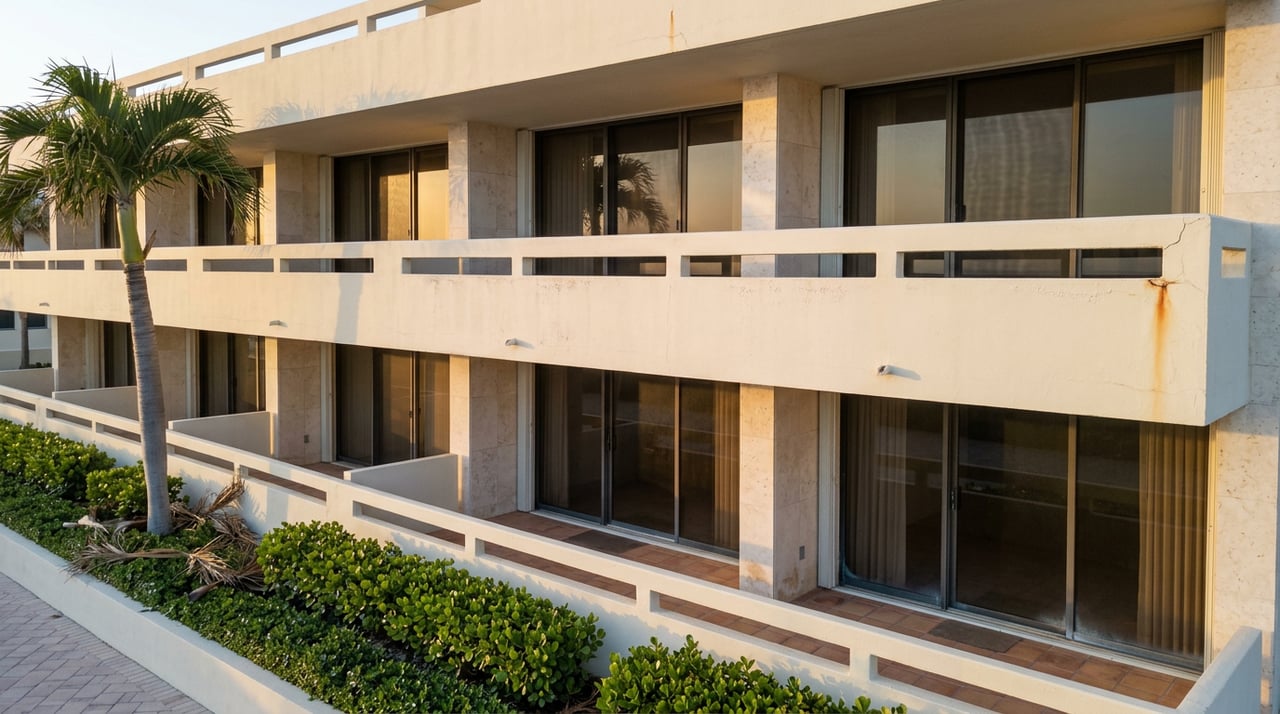
Boutique buildings typically prioritize scale and privacy over a long list of amenities. In Miami Beach, that profile often lines up with North Beach’s lower-key residential feel and with certain historic or low-rise options in South Beach where architecture and neighborhood character can matter more than the size of the amenity package.
For some buyers, that smaller scale is the whole point. Fewer units can mean fewer people moving through common areas, less turnover, and a quieter daily rhythm.
Boutique does not always mean older, but in Miami Beach it often overlaps with historic or low-rise inventory. In South Beach, that can include buildings tied more closely to the area’s architectural identity, while North Beach’s MiMo-heavy and largely residential character can also support this style of ownership.
When a boutique condo may fit better
A boutique building may be a better fit if you value:
- More privacy and fewer neighbors
- A quieter residential cadence
- Lower-density living
- Architecture and building character
- Smaller-scale common areas instead of extensive amenities
Still, smaller does not automatically mean easier or less expensive. Fixed costs are spread across fewer owners, and an aging low-rise can still face meaningful maintenance, reserve, insurance, or special assessment pressure.
Miami Beach neighborhoods shape the decision
Building style and neighborhood do not always point in the same direction, which is why the best choice depends on both. You may love a neighborhood’s energy but prefer a quieter building, or prefer a calm area while still wanting more services inside the property.
South Beach offers both worlds
South Beach runs from South Pointe Park to 23rd Street and is known for dining, shopping, galleries, nightlife, and a strong architectural identity. The Art Deco District alone includes more than 800 preserved historic buildings, which helps explain why both boutique-historic living and more amenity-forward tower living can exist here.
If you are drawn to a vibrant setting, South Beach gives you options across both categories. The key is to separate the neighborhood’s active image from the actual building experience, because those can be very different.
Mid Beach leans naturally resort-style
Mid Beach sits between 24th and 60th Streets and is often described as blending South Beach cool with North Beach calm. With its luxury resorts, spas, stylish restaurants, and arts-and-lifestyle identity, it is one of the clearest matches for amenity-rich tower living.
If you want a condo that feels closer to a resort environment, Mid Beach may deserve extra attention. That does not mean every building is the same, but the broader setting often supports a more service-oriented ownership experience.
North Beach tends to feel more residential
North Beach stretches from 60th Street to Surfside and is described as largely residential, low-key, and more MiMo than Art Deco. It often appeals to buyers who want a less intense pace and who care more about daily livability than a high-activity scene.
That setting can pair well with boutique buildings and smaller-scale condo living. It is also worth noting that the North Beach CRA is focused on redevelopment, historic preservation, and climate resiliency, which may matter if you are thinking about both current feel and future neighborhood change.
HOA dues tell only part of the story
One of the biggest mistakes buyers make is treating monthly dues as the full financial picture. The better question is what those dues are actually funding, including staffing, operations, maintenance, reserves, and larger capital planning.
Florida condo law requires associations to budget for operating expenses and reserves. Reserve funding can be supported through assessments, special assessments, lines of credit, or loans approved under the statute, which means the monthly number alone does not tell you whether a building is financially comfortable or potentially heading toward bigger costs.
A tower may have higher dues because it supports more services and systems. A boutique building may have fewer amenities, but it can still feel expensive if a smaller ownership base is carrying meaningful repair or reserve needs.
Questions to ask about dues and reserves
Before you move forward on any Miami Beach condo, ask:
- What exactly do the monthly dues cover?
- How much of the budget is going to reserves?
- Are there known upcoming capital projects?
- Has the association discussed assessments, loans, or major repairs?
- Does the current budget reflect the building’s age and maintenance needs?
These questions matter in both luxury towers and modest low-rises. In either case, you want to understand whether the building is simply affordable today or responsibly planned for tomorrow.
Building age and inspections matter
In Miami Beach, a condo’s age and height can affect what you should review during due diligence. Under Florida law, buildings that are three habitable stories or more generally need milestone inspections by age 30 and every 10 years after that, though some coastal localities can require them at age 25.
Florida law also requires structural integrity reserve studies for applicable residential condo buildings, and existing owner-controlled associations subject to those studies generally had to complete them by December 31, 2025. Buildings under three stories are exempt from these requirements.
This is one reason boutique does not always mean simpler. An older low-rise may avoid some tower-specific inspection rules, but that does not remove the need to understand maintenance history, reserves, and possible future repairs.
Rental flexibility should never be assumed
If rental income or occasional short-term use matters to you, verify the rules before you fall in love with a unit. In Miami Beach, vacation and short-term rentals are defined as stays of less than six months and one day, and they are not broadly allowed everywhere.
The city says these rentals are prohibited in all single-family homes and in many multifamily buildings in certain zoning districts. Legal operators must have a Business Tax Receipt, Resort Tax registration, zoning approval, and an association letter confirming that the unit is allowed to rent short term.
That means rental flexibility is not just a neighborhood question. It is a building-document question, a city-rule question, and often a unit-specific question too.
What to confirm before buying
If you plan to rent the condo in any way, confirm:
- The building’s current rental restrictions
- Whether short-term renting is legally allowed for that unit
- Whether the association will provide the required approval letter
- Whether your intended use matches current city rules
- Whether the building’s culture aligns with your rental strategy
In Miami Beach, assumptions can get expensive. A condo in South Beach, Mid Beach, or North Beach should never be presumed short-term-rental eligible without direct verification.
Which condo type is right for you?
There is no universal winner between amenity-rich and boutique. The better choice depends on how you want to live, how often you will use the property, how much privacy you want, and how closely you plan to review building finances and rental rules.
If you want service, convenience, and a stronger lock-and-leave feel, an amenity-rich tower may be the better match. If you want a quieter environment, fewer residents, and a more intimate building scale, a boutique condo may feel more aligned.
In Miami Beach, the smartest move is to compare the building and the neighborhood together. A great fit usually happens when your lifestyle goals, the property’s cost structure, and the area’s day-to-day rhythm all line up.
If you want help weighing building style, reserves, inspections, or rental rules before you buy in Miami Beach, Carlos Beltran offers a discreet, high-touch approach grounded in careful analysis and client-first guidance.
FAQs
What is the difference between amenity-rich and boutique Miami Beach condos?
- Amenity-rich condos usually focus on services, convenience, and larger shared spaces, while boutique condos usually focus on smaller scale, more privacy, and fewer but often more intimate common areas.
Which Miami Beach neighborhood is best for amenity-rich condos?
- Mid Beach is often the clearest match for amenity-rich condo living because of its resort-style identity, though parts of South Beach also support this type of building.
Are boutique Miami Beach condos always less expensive to own?
- No. Smaller buildings can still have significant maintenance, reserve, insurance, or special assessment costs, especially if fixed expenses are spread across fewer owners.
Do Miami Beach condo HOA fees tell you everything about building health?
- No. You should also review what the dues fund, how much is being set aside for reserves, and whether the association is planning for major repairs or capital projects.
Can you use any Miami Beach condo as a short-term rental?
- No. Miami Beach short-term rental rules depend on city regulations, zoning, association approval, and often the specific unit, so you should verify eligibility before buying.
Do older Miami Beach condos have extra inspection requirements?
- Some do. Under Florida law, buildings that are three habitable stories or more generally need milestone inspections based on age, and applicable residential condo buildings may also need structural integrity reserve studies.